
10 Easy DIY Landscaping Hacks You Must Try: Expert Tips for Beginners and Budget-Friendly Garden Design
Renovating an outdoor area can feel daunting for homeowners with limited experience. Simple DIY landscaping techniques deliver attractive results on a modest budget. This article summarises ten practical approaches to plant selection, soil and mulch practices, irrigation and lighting hacks and explains when professional landscaping services are useful.
Which Easy Landscaping Ideas Are Best for Beginners?
Start with projects that show quick results and need little technical skill. Good entry-level projects include:
- Container Gardening: Use pots to create a flexible, low-maintenance garden.
- Flower Beds: Plant a small bed of easy annuals or perennials such as marigolds or daylilies.
- Pathways: Install gravel, mulch, or stepping stones to define routes through the yard.
- Mulching: Apply mulch to retain moisture, suppress weeds, and tidy beds.
These tasks improve curb appeal and build skills for larger projects.
How to Choose Low Maintenance Plants Native to Northern New Jersey
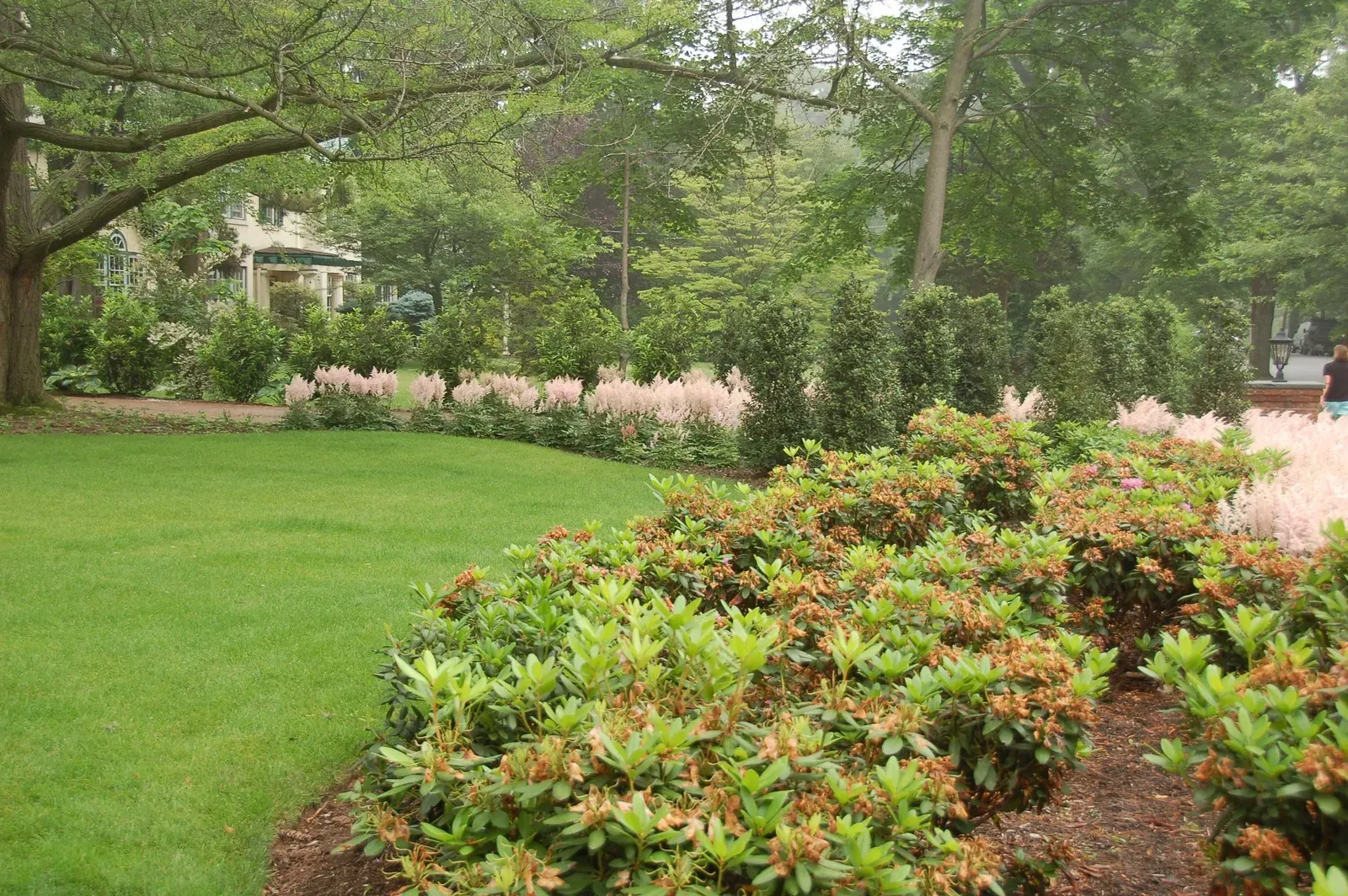
Choose natives adapted to local climate to reduce water and upkeep. Examples suitable for Northern New Jersey:
- Black-eyed Susan (Rudbeckia hirta): Hardy perennial; attracts pollinators.
- Eastern Red Cedar (Juniperus virginiana): Drought-tolerant evergreen for year-round structure.
- Wild Bergamot (Monarda fistulosa): Fragrant, sun-loving perennial that draws bees and butterflies.
Native plants support wildlife and typically need less intervention than non-natives.
What Simple Garden Design Ideas Enhance Your Outdoor Space?
Apply basic design principles to make your garden look and function better without high complexity:
- Layering Plants: Combine tall, medium, and low plants for depth.
- Color Schemes: Pick a palette that complements your home for cohesion.
- Focal Points: Add a birdbath, sculpture, or standout plant to draw the eye.
These elements create a cohesive, organized landscape with visual impact.
How Can Mulching and Soil Preparation Improve Your Garden?
Mulch and proper soil preparation create conditions plants need to thrive. Primary benefits:
- Moisture Retention: Mulch reduces evaporation and keeps roots moist.
- Weed Suppression: A sufficient mulch layer cuts weed growth.
- Soil Enrichment: Organic mulches add nutrients as they break down.
Regular mulch application and soil care reduce irrigation and maintenance over time.
Effective Mulching Techniques for Soil Moisture Retention
Maximise mulching benefits with these practical steps.
- Choose the Right Material: Use organic options like wood chips or straw for added nutrients.
- Apply the Correct Thickness: Aim for a 2–4 inch layer to suppress weeds and conserve moisture.
- Keep Mulch Away from Plant Stems: Prevent rot by avoiding direct contact with stems.
Proper technique improves moisture retention and lowers water needs.
How to Prepare Garden Beds for Sustainable Plant Growth?
Prepare beds methodically to support long-term plant health:
- Soil Testing: Test pH and nutrients and amend accordingly.
- Add Organic Matter: Incorporate compost or well-rotted manure to boost structure.
- Tilling: Loosen compacted soil to improve aeration and drainage.
These steps improve drainage, nutrient retention, and root establishment.
What DIY Irrigation and Outdoor Lighting Hacks Save Time and Money?
Simple upgrades increase efficiency and usability while lowering costs:
- Drip Irrigation: Delivers water at the root zone to reduce waste.
- Rain Barrels: Harvest rain for irrigation and lower bills.
- Solar Lights: Light paths and features without added electricity costs.
These low-cost measures enhance functionality and sustainability.
How to Install Smart Irrigation Systems for Water Conservation?
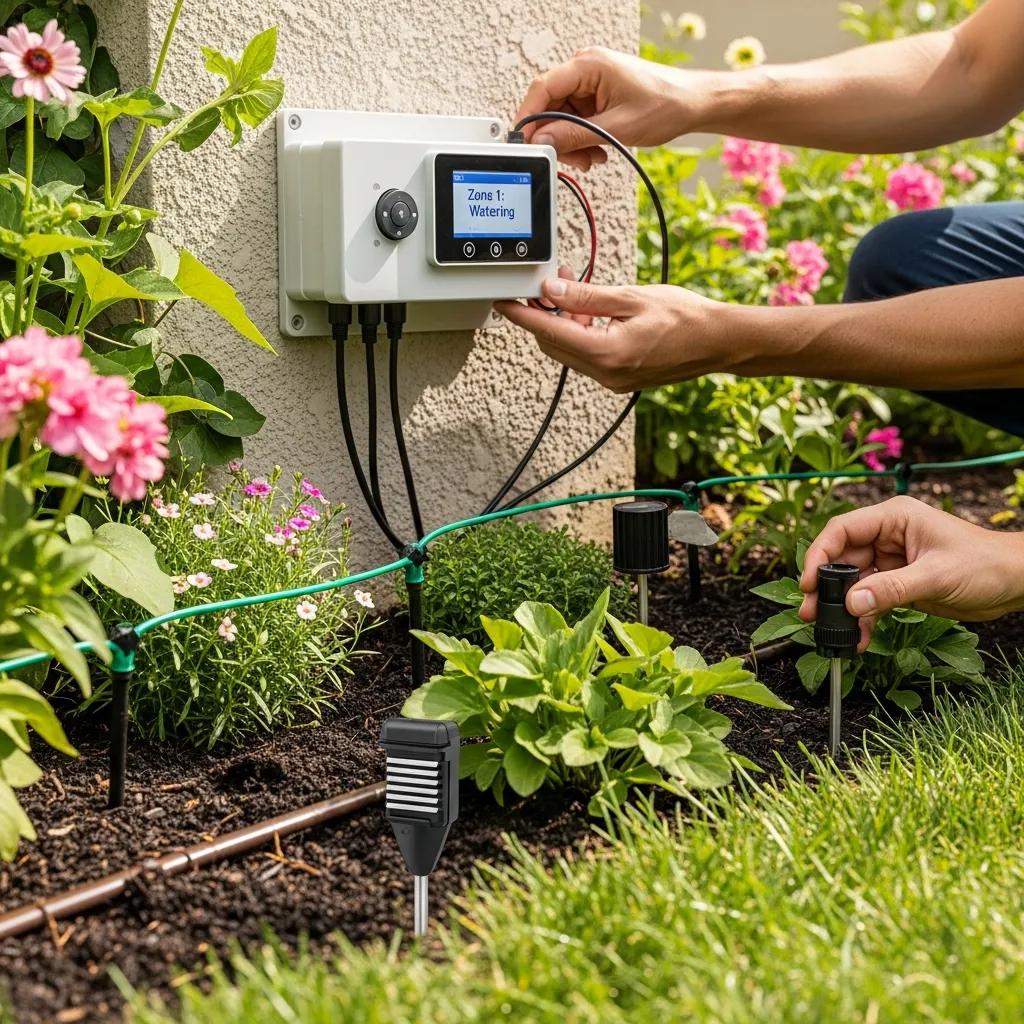
Smart irrigation adds precision and can cut water use when set up correctly:
- Choose the Right System: Pick a controller that matches your zone layout and needs.
- Install Sensors: Use soil moisture sensors to avoid overwatering.
- Connect to Wi-Fi: Remote control via an app simplifies scheduling.
With proper controllers and sensors, smart systems target watering and reduce waste.
Which Outdoor Lighting Ideas Enhance Garden Aesthetics and Safety?
Thoughtful lighting improves safety and highlights features. Consider:
- Pathway Lights: Define routes for safe nighttime access.
- Spotlights: Accent trees, sculptures, or focal plants.
- String Lights: Add atmosphere along fences or in trees.
Good placement balances visibility and ambiance.
When Should You Consider Professional Landscaping Services?
Hire professionals when a project exceeds your time, tools, or technical expertise. Reasons to engage pros:
- Complex Projects: Grading, major drainage work, or large hardscapes.
- Time Constraints: When you can’t commit the hours needed.
- Expert Insights: Professional plant selection and system design improve results.
Scape-Abilities is a Northern Central New Jersey provider offering lawn care, tree and shrub maintenance, pest control, irrigation, and lighting. Their services can complement DIY work for better, longer-lasting outcomes.
What Maintenance Tasks Require Expert Lawn Care and Tree Services?
Some tasks need specialist training and equipment. Typical examples:
- Tree Pruning: Critical for safety and tree health, especially for large trees.
- Pest Control: Correct diagnosis and targeted treatment protect plants effectively.
- Irrigation System Maintenance: Routine checks and repairs prevent waste and maintain efficiency.
Hiring professionals for these tasks reduces risk and protects landscape value.
10 Budget-Friendly DIY Landscaping Hacks Scape-Abilities Lawn Services
Professional services extend the effectiveness of homeowner work by providing diagnostic skills and specialised tools:
- Pest Control Strategies: Early identification and targeted measures protect plants while preserving beneficial insects.
- Irrigation Efficiency: Expert design and tuning optimise water use.
- Access to Professional Tools: Advanced equipment improves outcomes for complex tasks.
Combining homeowner maintenance with professional support yields more reliable, sustainable results.
Additional DIY Landscaping Tips to Enhance Your Garden
Beyond the basics, consider these extra tips to elevate your landscaping project:
- Use Vertical Gardening: Maximise space by growing plants on trellises, walls, or vertical planters, ideal for small yards or patios.
- Incorporate Edible Plants: Blend herbs, vegetables, or fruit-bearing plants into your design for beauty and utility.
- Create Wildlife Habitats: Add birdhouses, butterfly feeders, or native plant clusters to support local fauna.
- Implement Composting: Recycle garden waste and kitchen scraps to create nutrient-rich compost that improves soil health.
- Seasonal Plant Rotation: Plan for changing blooms and foliage to keep your garden vibrant year-round.
- Use Mulch Alternatives: Explore options like rubber mulch or decorative stones for different aesthetics and durability.
- Install Rain Gardens: Design low-lying areas with water-tolerant plants to manage runoff and improve drainage naturally.
- Practice Sustainable Lawn Care: Reduce mowing frequency, leave grass clippings as mulch, and choose drought-resistant grass varieties.
These additional strategies can make your garden more functional, eco-friendly, and visually appealing.
Frequently Asked Questions
Q- What are the benefits of using native plants in landscaping?
A- Native plants are adapted to local climate, typically need less water and care, support pollinators and wildlife, and help maintain soil health making landscapes more resilient and lower-maintenance.
Q- How can I create a budget-friendly garden design?
A- Prioritise essential elements, use durable or reclaimed materials, choose perennials over annuals, propagate plants from cuttings or seed, and do feasible tasks yourself while hiring pros only for specialised work.
Q- What are some eco-friendly landscaping practices?
A- Use organic soil amendments, biocontrols, rainwater harvesting, drought-tolerant species, xeriscaping where appropriate, and mulches to conserve water and protect ecosystem health.
Q- How can I improve the drainage in my garden?
A- Address low spots, build raised beds, amend soil with organic matter to increase porosity, and install engineered solutions like French drains or swales where needed.
Q- What are some tips for maintaining a healthy lawn?
A- Mow at recommended heights, water deeply and infrequently (preferably morning), aerate annually, apply organic fertilisers as needed, and monitor for pests and disease.
Q- How can I attract pollinators to my garden?
A- Plant a season-long mix of native flowers, avoid harmful pesticides, provide habitat elements like bee hotels, and offer shallow water sources to support pollinator presence.
Conclusion
Targeted DIY landscaping techniques can greatly enhance your outdoor space while staying budget-friendly. Focus on low-maintenance plants, good soil and mulch practices, efficient irrigation, and simple lighting. When projects exceed your skills or resources, professional landscaping services can ensure correct execution and lasting performance. Apply these recommendations step by step to build an attractive, sustainable garden.