
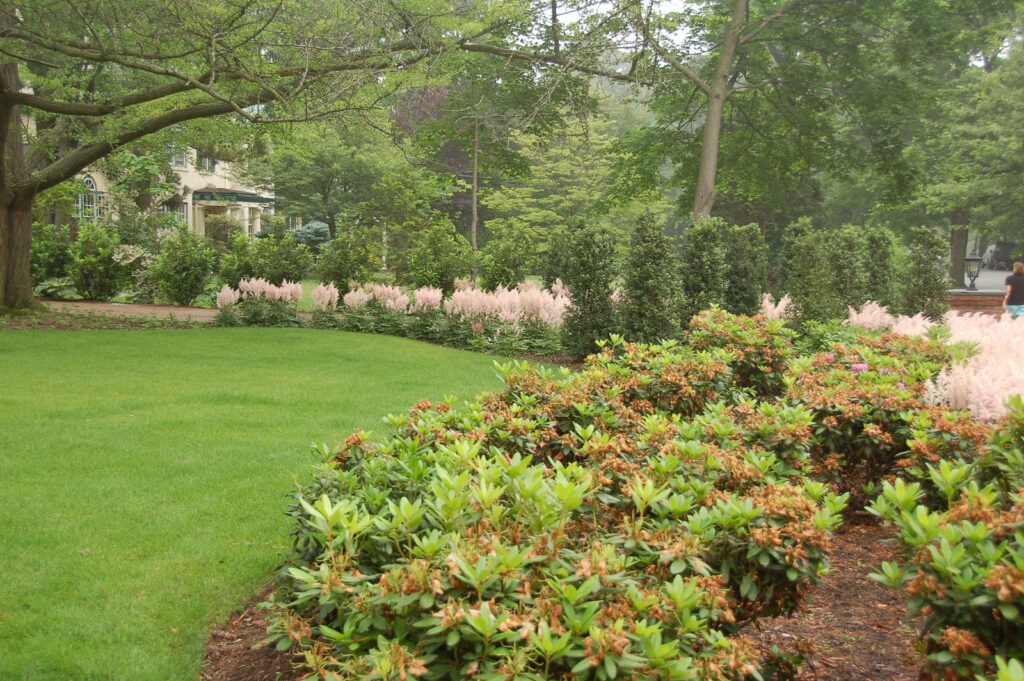
What Are the Essential Professional Lawn Maintenance Services in Central New Jersey?
Professional maintenance preserves turf health and curb appeal year‑round by managing soil condition, nutrients, pests, and water. These services are tailored to the specific needs of the region’s climate and soil types, ensuring that lawns remain lush and disease-free through all seasons. By addressing underlying issues such as soil compaction and nutrient deficiencies, professional care helps prevent common problems before they arise.
Types of Services
Essential services include:
-
- Lawn Treatment and Weed Control: Regular treatments to reduce weeds and promote grass growth, using environmentally responsible products and techniques that minimize chemical use while maximizing effectiveness.
-
- Fertilization and Aeration: Improve soil health and nutrient uptake for denser turf, enhancing root development and overall lawn resilience against drought and disease.
-
- Pest Management and Irrigation: Protect against pests and ensure proper watering, using integrated pest management strategies and smart irrigation systems to optimize water use and reduce pest-related damage.
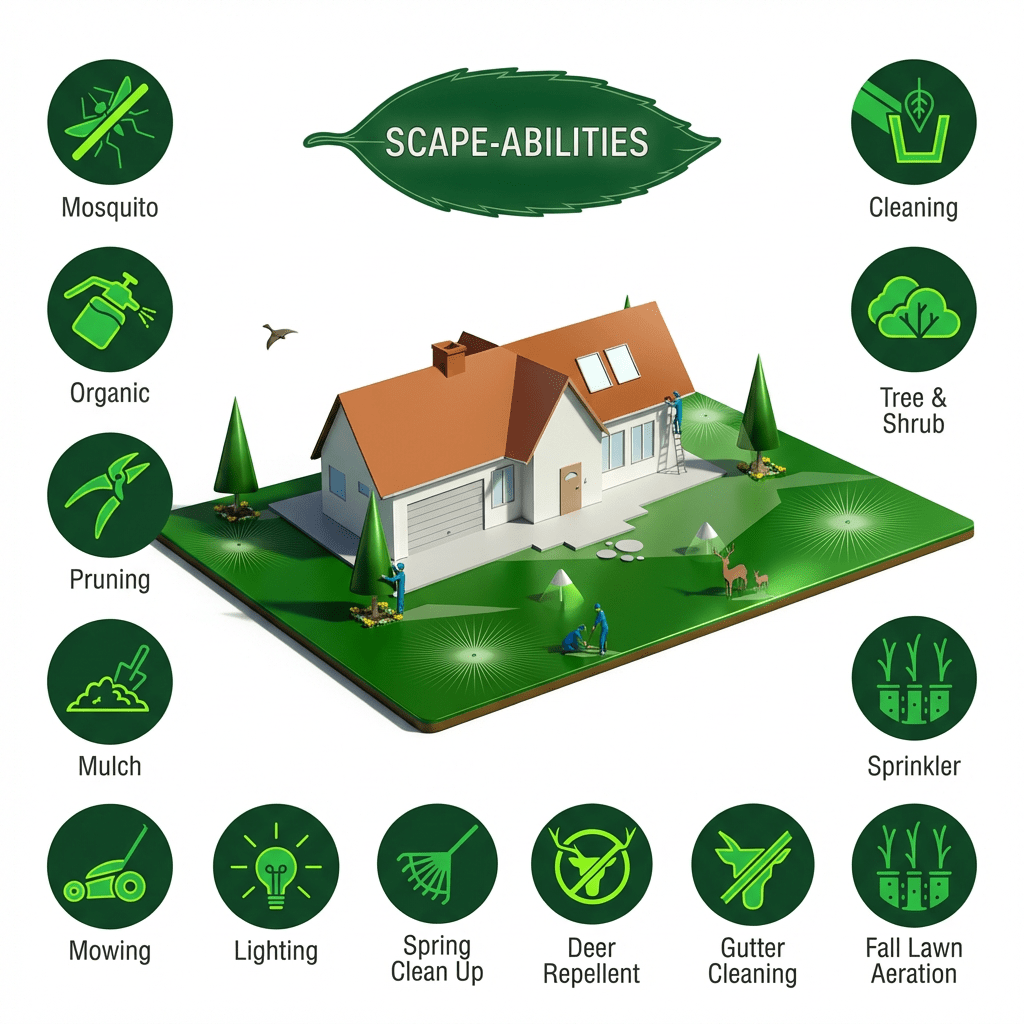
Scape-Abilities provides mowing, fertilization, aeration, weed control, pest control, irrigation services,and seasonal maintenance tailored to residential yards, combining expert knowledge with personalized service plans to meet each client’s unique lawn care goals.
Pricing
Pricing depends on yard size, service scope, and frequency; quotes should reflect equipment, labor, materials, and site complexity. Transparent pricing helps homeowners budget effectively while ensuring they receive comprehensive care that addresses all aspects of lawn health.
-
- Basic Lawn Mowing: Often around $30–$70 per visit, with options for weekly or biweekly scheduling to maintain optimal grass height and appearance.
-
- Fertilization Treatments: Frequently about $50–$120 per application, tailored to soil test results and seasonal needs to maximize nutrient efficiency.
-
- Aeration Services: Commonly $75–$175 depending on size, improving soil aeration and promoting deeper root growth for long-term lawn vitality.
Request written estimates from multiple providers and compare the scope and frequency included, ensuring that all necessary services are covered and that there are no hidden fees.
Customer Reviews
Prioritise reviews that describe results, punctuality, and responsiveness; check multiple platforms for consistency. Detailed feedback from previous clients can provide insight into a provider’s reliability, professionalism, and ability to deliver promised outcomes.
-
- What makes a good review: Specific outcomes and follow-up details, such as improvements in lawn density, color, and pest control effectiveness.
-
- How to find reliable reviews: Look across Google and local directories, as well as social media and community forums for balanced perspectives.
-
- Importance of reputation: Consistent positive feedback indicates reliability and a commitment to customer satisfaction, which is crucial for ongoing lawn care partnerships.
Areas Served
Confirm a provider’s service area for timely visits and local expertise; Scape-Abilities serves communities across Central New Jersey and adapts to regional soil and climate. Local knowledge ensures that treatments and schedules are optimized for the specific environmental conditions of each neighborhood, resulting in healthier, more resilient lawns.
How Does Expert Lawn Fertilization Improve Soil Health and Grass Growth?
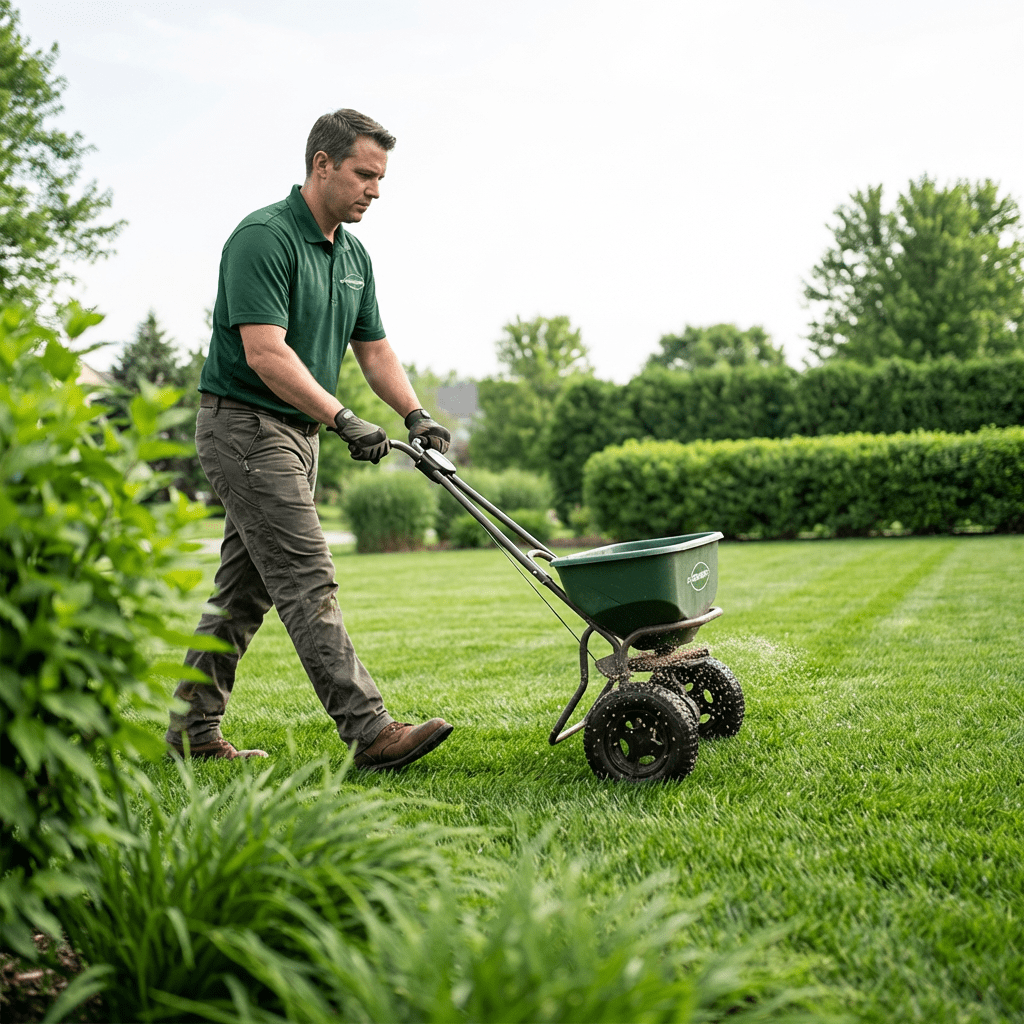 Professional fertilization supplies nitrogen, phosphorus, and potassium and can be scheduled based on soil tests and seasonal growth to boost colour, density, and stress tolerance. These nutrients are essential for photosynthesis, root development, and overall plant vigor, helping lawns recover from environmental stresses such as heat, drought, and heavy foot traffic.
Custom schedules address deficiencies and time applications for optimal uptake and long‑term turf performance, reducing nutrient runoff and environmental impact. By tailoring fertilization to the lawn’s specific needs, professionals ensure balanced growth and prevent common problems like thatch buildup and nutrient imbalances.
Why Is Aeration and Overseeding Critical for a Healthy Lawn?
Aeration relieves compaction, improving air, water and nutrient flow to roots. This process creates small holes in the soil, allowing roots to expand and absorb essential resources more effectively. Overseeding fills thin areas to increase density and resilience, introducing new grass varieties that can improve disease resistance and drought tolerance.
Together they restore uniformity, fill bare patches, and strengthen the lawn over time, resulting in a thicker, more vibrant turf that can better withstand environmental stresses and recover from damage.
Which Seasonal Lawn Care Tips Ensure Year-Round Yard Transformation?
Seasonal practices aligned with turf cycles maintain recovery and readiness through the year. Each season requires specific attention to soil preparation, nutrient application, and pest management to support healthy growth and prevent damage.
-
- Spring Maintenance: Clean debris, aerate where needed, and apply pre‑emergent control to prevent weed germination and prepare the lawn for vigorous growth.
-
- Summer Care: Water appropriately, mow correctly, and apply summer nutrient support to help the lawn cope with heat stress and maintain color and density.
-
- Fall Preparation: Fertilise for winter, overseed as required, and prepare for dormancy by strengthening root systems and improving soil conditions.
Consistent seasonal work reduces stress and supports healthier growth phases, ensuring the lawn remains attractive and resilient throughout the year.
What Are the Best Practices for Spring and Summer Lawn Maintenance?
Focus on debris removal, soil testing, and proactive nutrient and weed management to support active growth and stress tolerance. Early intervention helps prevent common issues such as fungal diseases and nutrient deficiencies that can compromise lawn health during peak seasons.
-
- Debris Clearing: Remove leaves and branches to limit disease and improve air circulation, which reduces the risk of fungal infections.
-
- Soil Testing: Test pH and nutrients to guide fertilization, ensuring that amendments are precisely matched to the lawn’s needs.
-
- Fertilization and Weed Control: Use targeted products to maintain a lush, weed‑free lawn, applying treatments at optimal times to maximize effectiveness and minimize environmental impact.
These practices create conditions for vigorous turf during peak growth, enhancing the lawn’s ability to recover from stress and maintain a vibrant appearance.
How Should Homeowners Prepare Their Lawns for Fall and Winter?
Prepare turf for dormancy by focusing on root health and stand density to aid spring recovery. Proper preparation helps the lawn survive cold temperatures and reduces damage from winter weather.
-
- Fertilization Strategies: Apply a winter‑ready fertilizer to support roots, improve nutrient storage, and enhance cold tolerance.
-
- Overseeding Importance: Fill bare spots before winter to improve density and reduce weed invasion in the spring.
-
- Equipment Maintenance: Service tools for the next season, ensuring they are clean, sharp, and ready for spring use.
Strategic timing of fall treatments improves turfgrass health and winter resilience, setting the stage for a strong start in the following growing season.
Optimal Lawn Fertilization Strategies
Applying the majority of fertilizer in the fall, rather than concentrating applications exclusively in spring, can provide improved turfgrass health and vigour.
Soil test interpretations and fertilizer management for lawns, turf, gardens, and landscape plants, CJ Rosen, 2008
These steps increase the chance the lawn will withstand winter stress and return strong in spring, reducing the need for costly repairs and replanting.
How Do Integrated Weed and Pest Control Services Enhance Lawn Quality?
Integrated approaches combine cultural, mechanical, and targeted chemical tactics to prevent and control outbreaks with minimal turf disruption. This holistic strategy promotes a balanced ecosystem within the lawn, reducing pest populations naturally and maintaining healthy grass.
IPM reduces reliance on broad‑spectrum treatments, allowing targeted interventions and lower environmental impact. By monitoring pest levels and applying treatments only when necessary, IPM supports sustainable lawn care practices.
Growing concerns about synthetic insecticides have increased adoption of IPM and biological measures in standard lawn care, reflecting a shift toward environmentally responsible management that protects beneficial insects and soil health.
Biological Pest Control & IPM in NJ Lawns
Public preference has shifted toward biological control methods for insect pest management due to concerns about the potential side effects and environmental persistence of synthetic insecticides. Increases in pesticide resistance have also encouraged adoption of Integrated Pest Management (IPM) approaches, supported by improved understanding of pest‑host interactions over recent decades.
Use of biological control measures in the intensive management of insect pests in New Jersey, 1988
What Are Effective Weed Control Solutions Tailored for NJ Lawns?
Effective programs combine prevention and corrective actions to reduce weed pressure while maintaining turf health. This includes selecting appropriate herbicides, timing applications carefully, and promoting lawn vigor to outcompete weeds naturally.
-
- Pre-emergent Herbicides: Prevent germination of many problem weeds, reducing the need for post-emergent treatments and minimizing chemical use.
-
- Cultural Practices: Proper mowing and watering help turf outcompete weeds by maintaining dense, healthy grass that shades out weed seeds.
-
- Organic Options: Organic herbicides offer alternatives for environmentally conscious homeowners, using natural ingredients that are safer for pets, children, and beneficial insects.
Systematic implementation leads to denser turf and less need for corrective treatments, resulting in a more attractive and sustainable lawn.
How Does Professional Pest Management Protect Your Yard’s Health?
Professionals identify pests, assess risk, and apply targeted treatments with follow‑up monitoring to limit damage and reduce repeat interventions. This proactive approach helps maintain ecological balance and prevents pest outbreaks from escalating.
Scheduled inspections and precise applications preserve turf condition and aesthetics while adapting strategies as needed, ensuring that treatments are effective and environmentally responsible.
What Are the Benefits of Professional Irrigation and Sprinkler System Maintenance?
Regular irrigation maintenance ensures efficient water distribution, reduces breakdowns, and supports even moisture for healthier turf. Properly functioning systems prevent waterlogging and drought stress, both of which can damage grass roots and promote disease.
-
- Cost Savings: Prevents costly repairs and reduces water waste, lowering utility bills and conserving resources.
-
- Improved Efficiency: Ensures even coverage and reduces overwatering, which can lead to fungal diseases and nutrient leaching.
-
- Enhanced Lawn Health: Proper irrigation lowers disease risk and supports growth by maintaining optimal soil moisture levels.
Professional service promotes sustainable water use and better landscape performance, contributing to environmental stewardship and long-term lawn vitality.
How Does Smart Irrigation Contribute to Sustainable Lawn Care?
Smart systems use sensors and weather data to adjust watering schedules, reducing waste and improving plant health. These technologies respond to real-time conditions such as rainfall, temperature, and soil moisture, ensuring that lawns receive water only when needed.
Owners can conserve water and lower operating costs while maintaining healthier turf through precise irrigation events, supporting sustainability goals and regulatory compliance in water-restricted areas.
What Maintenance Practices Optimize Sprinkler System Performance?
Routine checks and seasonal protection keep systems reliable and reduce emergencies. Regular attention prevents small issues from becoming costly repairs and ensures consistent irrigation throughout the year.
-
- Regular Inspections: Look for leaks, clogs, and broken heads to maintain uniform water distribution and prevent dry spots.
-
- Adjusting Sprinkler Heads: Position heads to avoid uneven coverage, overspray on sidewalks, or water waste.
-
- Winterization: Winterize systems to prevent freeze damage, including draining pipes and insulating components.
Consistent maintenance extends system life and ensures dependable irrigation, supporting healthy turf and reducing environmental impact. For comprehensive lawn care services designed to transform residential yards, consider Scape-Abilities. Their expert team offers customized plans that address all aspects of lawn health and aesthetics. To further enhance your landscape, consider the benefits of professional tree, shrub, and bed maintenance, which complements lawn care by promoting overall property beauty and ecological balance. Protecting your yard’s health also involves effective pest management strategies that minimize damage and support sustainable practices.
Efficient water use and healthy grass growth can be achieved through professional irrigation and sprinkler system maintenance, ensuring your lawn receives the right amount of water at the right times. For more information on how to transform your yard, visit Scape-Abilities, where expert advice and quality services are available to meet your lawn care needs.
Frequently Asked Questions
Q- What are the signs that my lawn is unhealthy?
A- Signs of an unhealthy lawn include discoloration, thinning grass, bare patches, and excessive weed growth. Additionally, if your lawn feels spongy or has areas that retain water, it may indicate compaction or poor drainage. Regular inspections can help identify these issues early. If you notice persistent problems despite regular maintenance, it may be time to consult a professional for a thorough assessment and tailored treatment plan.
Q- How can I improve my lawn’s resistance to pests and diseases?
A- Improving your lawn’s resistance involves maintaining healthy soil, proper watering, and regular aeration. Implementing Integrated Pest Management (IPM) strategies can also help by promoting beneficial insects and using targeted treatments only when necessary. Additionally, selecting disease-resistant grass varieties and ensuring proper fertilization can enhance overall lawn health, making it less susceptible to pests and diseases.
Q- What is the role of soil testing in lawn care?
A- Soil testing is crucial for understanding nutrient levels, pH balance, and overall soil health. By analyzing soil composition, homeowners can tailor fertilization and amendment strategies to meet their lawn’s specific needs. This proactive approach helps prevent nutrient deficiencies and imbalances, ensuring optimal growth conditions. Regular testing, ideally once a year, can guide effective lawn care practices and improve long-term turf health.
Q- How can I prepare my lawn for extreme weather conditions?
A- Preparing your lawn for extreme weather involves several strategies. For heat, ensure deep watering to promote root growth and consider raising the mower height to reduce stress. In winter, apply a winter fertilizer to strengthen roots and overseed to fill in bare spots. Additionally, maintaining healthy soil through aeration and organic amendments can enhance resilience against both drought and cold temperatures.
Q- What are the benefits of overseeding my lawn?
A- Overseeding introduces new grass varieties that can improve lawn density, color, and disease resistance. It helps fill in bare patches and enhances the overall appearance of the lawn. This practice also promotes a more resilient turf that can better withstand environmental stresses, such as drought and heavy foot traffic. Timing overseeding with aeration can maximize seed-to-soil contact, improving germination rates and overall success.
Q- How does proper mowing contribute to lawn health?
A- Proper mowing is essential for maintaining lawn health as it encourages denser growth and reduces weed competition. Keeping the mower blades sharp ensures clean cuts, which minimizes stress on the grass. Mowing at the correct height—typically 2.5 to 4 inches—helps shade the soil, retain moisture, and promote deeper root systems. Regular mowing also prevents the grass from going to seed, which can lead to a less healthy lawn.
Q- What should I do if my lawn has a pest infestation?
A- If you suspect a pest infestation, first identify the type of pest and assess the extent of the damage. For minor issues, cultural practices like improving lawn health through proper watering and fertilization can help. For significant infestations, consider contacting a professional lawn care service that employs Integrated Pest Management (IPM) strategies to address the problem effectively while minimizing environmental impact.
Q- What should I look for when choosing a lawn care service?
A- Choose a provider with proven results, transparent pricing, and documented protocols. Request references and ensure their approach aligns with your environmental preferences and lawn needs. Additionally, verify their certifications, experience with local turf types, and commitment to sustainable practices.
Q- How often should I schedule lawn care services?
A- Frequency varies by service: mowing every 1–2 weeks in growing seasons; fertilization and aeration typically 2–4 times per year based on soil tests and turf type. Coordinate a plan with your provider to match your lawn’s specific growth patterns and environmental conditions for optimal results.
Q- Can I perform lawn care myself, or should I hire a professional?
A- Homeowners can handle basic tasks, but professionals offer equipment, diagnostics, and efficiency for larger properties or complex soil, pest, or disease issues. Professionals also provide expert advice and customized treatment plans that can save time and prevent costly mistakes.
Q- What are the environmental benefits of professional lawn care?
A- Programs using organic amendments, IPM, and efficient irrigation reduce chemical inputs and conserve water, helping soil health and local biodiversity while limiting runoff. These practices contribute to healthier ecosystems, reduce pollution, and promote sustainable land management.
Q- How can I tell if my lawn needs aeration?
A- Look for compacted soil, poor infiltration, thinning turf, or water pooling after rain. Heavy traffic or shallow roots also indicate aeration may be needed; a professional assessment will confirm timing. Signs such as increased weed growth and slow recovery from stress also suggest aeration could benefit your lawn.
Q- What is the best time of year for lawn fertilization?
A- Timing depends on turf species: cool‑season grasses benefit from early spring and autumn; warm‑season grasses respond best in late spring to early summer. Use soil tests to guide applications and avoid over-fertilization, which can harm the environment and the lawn.
Q- How can I maintain my lawn during drought conditions?
A- Water deeply and infrequently to encourage deep roots, raise mower height, use mulch where appropriate, and consider drought‑tolerant varieties. Professionals can adjust irrigation and provide drought plans tailored to your lawn’s needs, helping conserve water while maintaining turf health.
Conclusion
Professional lawn care delivers a structured, evidence‑based approach to healthier, more attractive yards. Targeted fertilization, aeration, pest management, and proper irrigation combined with seasonal planning produce measurable turf improvements, choose a reputable provider for consistent, tailored care. Investing in expert services not only enhances your lawn’s beauty but also promotes environmental sustainability and long-term property value.