
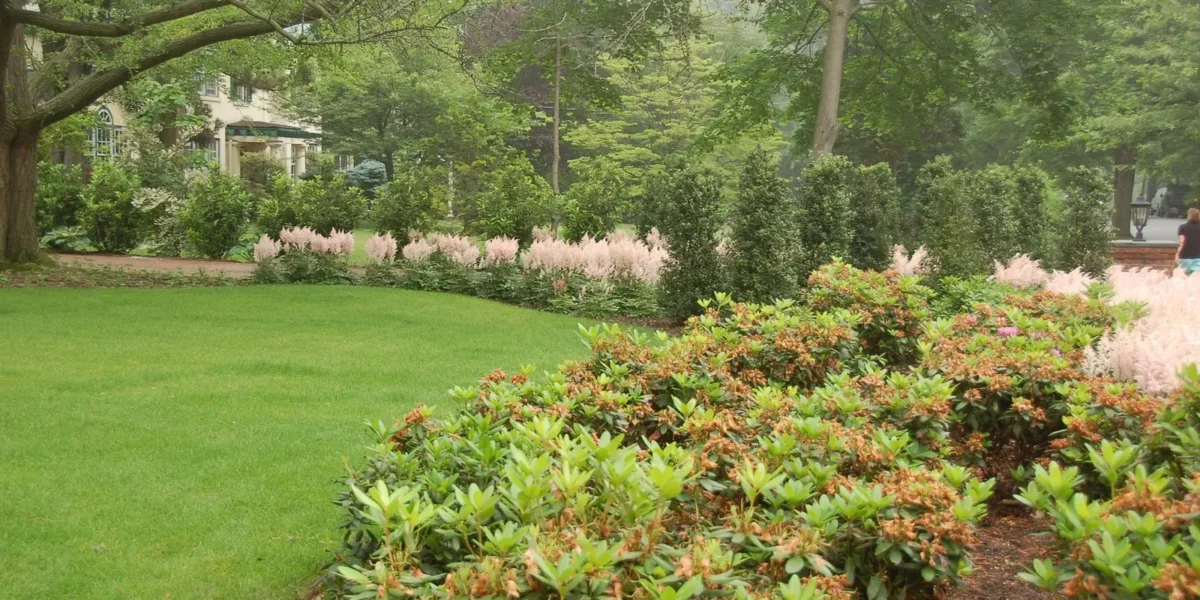
Top 5 Lawn Care Mistakes New Jersey Homeowners Make
A lush, healthy lawn is a common goal for New Jersey homeowners, but many make avoidable mistakes that cost time and money. This article summarises five frequent errors, overwatering, improper mowing, poor soil management, over‑fertilization, and weak seasonal care and outlines practical steps to improve turf health. Professional lawn care services , such as those from Scape‑Abilities, can help maintain consistent results by providing expert guidance, customized care plans, and advanced equipment to address specific lawn needs effectively.
Common Lawn Care Mistakes
Recognising common errors is the first step to restoring and maintaining lawn quality. Below are the five principal mistakes to avoid, along with insights into why they occur and how to correct them for long-term lawn vitality:
- Overwatering: Many homeowners assume more water is better. Overwatering creates shallow roots and greater disease risk. Water deeply but infrequently, aiming for about one inch per week (including rainfall). Using smart irrigation systems or timers can help regulate watering schedules and prevent excess moisture.
- Improper Mowing Techniques: Cutting grass too short stresses plants and invites weeds. Cut no more than one‑third of blade length and keep heights generally between 2.5 and 4 inches, depending on species. Regularly sharpening mower blades and alternating mowing patterns can promote healthier growth and reduce soil compaction.
- Neglecting Soil Health: Soil is the foundation of a healthy lawn. Test every two to three years, amend accordingly, and aerate annually to improve structure. Incorporating organic matter like compost enhances microbial activity and nutrient availability, supporting robust turf development.
- Over-Fertilizing: Excess fertilizer harms grass and the environment. Follow a schedule suited to New Jersey conditions and your grass type. Using slow-release fertilizers and adhering to recommended application rates minimizes nutrient runoff and promotes steady growth.
- Ignoring Seasonal Care: Each season needs different practices. Schedule tasks like fall aeration and overseeding to keep turf resilient year‑round. Adjusting care routines based on weather patterns and pest cycles ensures your lawn remains healthy through changing conditions.
Overwatering
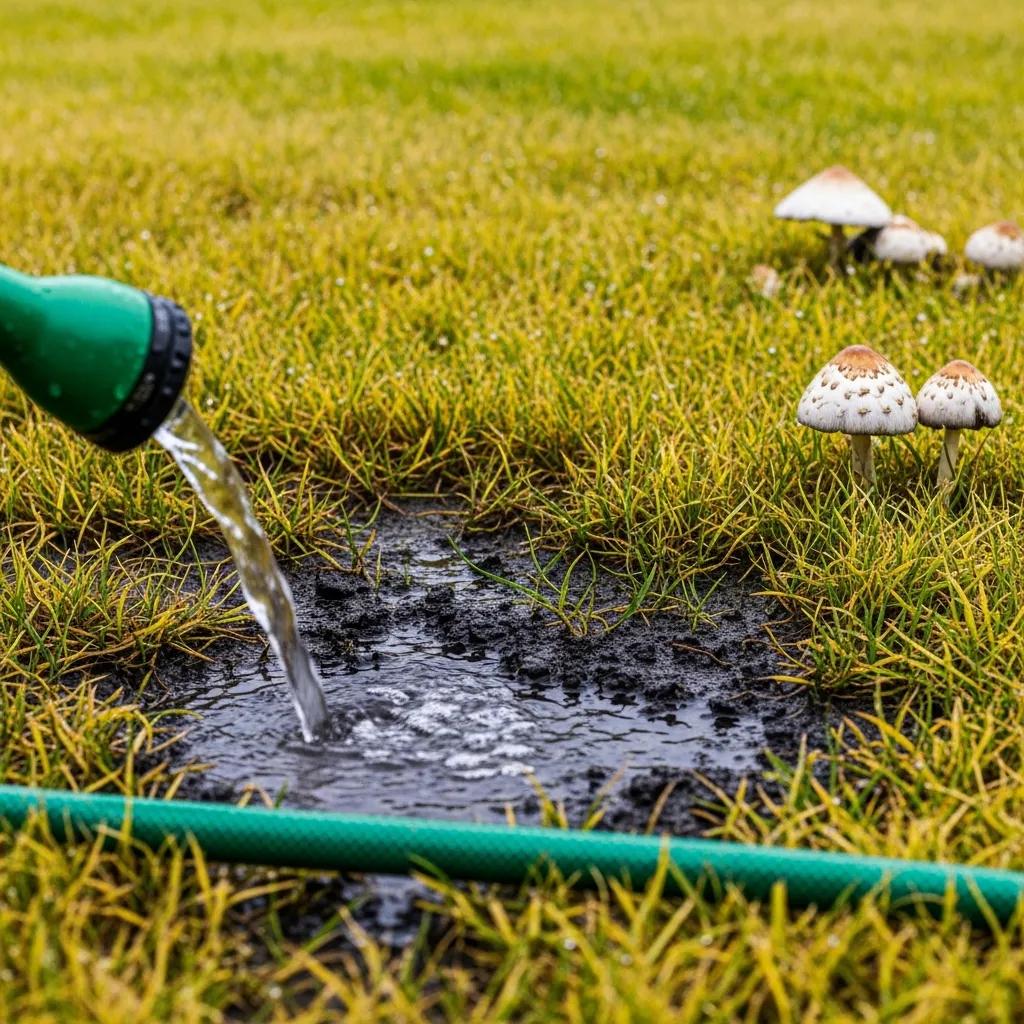
Overwatering reduces oxygen in the root zone and increases fungal disease. Look for yellowing turf, a spongy surface, or mushrooms. Apply water deeply and less often, roughly one inch per week, including rainfall to encourage deeper roots and lower disease pressure. Monitoring soil moisture with sensors or simple tools can help avoid unnecessary watering and maintain optimal hydration levels.
Improper Mowing Techniques
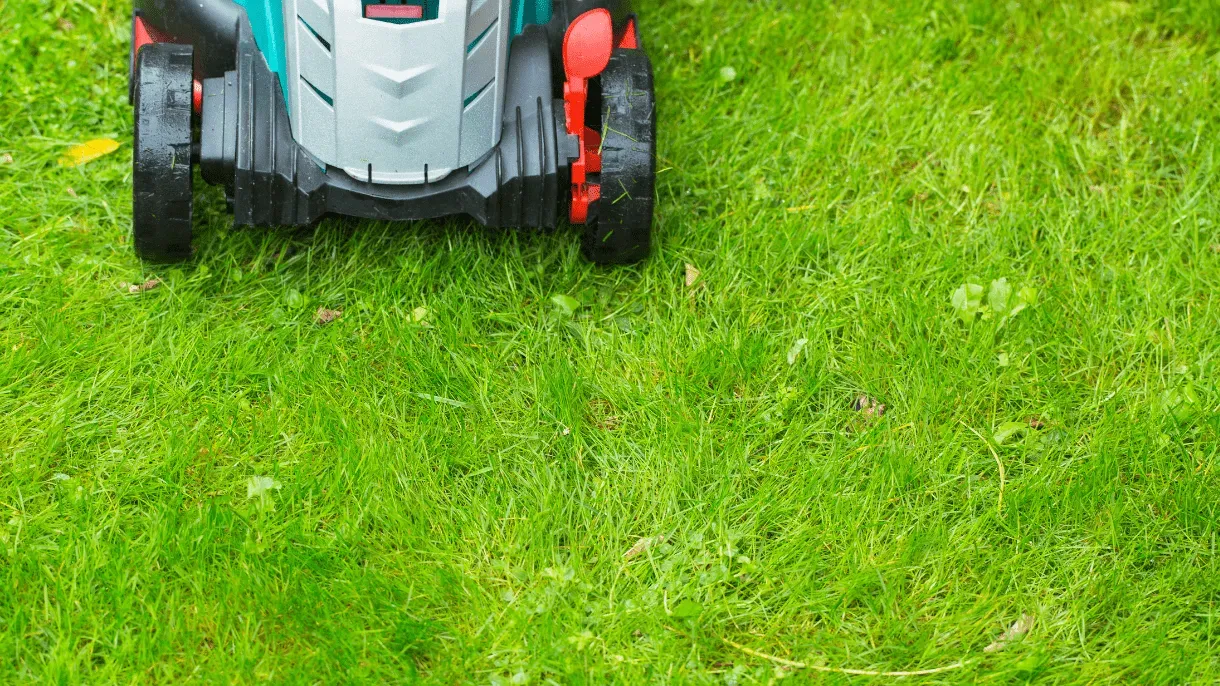
Incorrect mowing reduces turf vigour. Keep blades sharp, maintain recommended heights (commonly 2.5–4 inches), avoid cutting more than one‑third of blade length, and vary patterns to limit compaction and encourage even growth. Research supports the combined influence of mowing height and fertilizer rate on turf quality and weed susceptibility. Additionally, leaving grass clippings on the lawn can recycle nutrients and reduce waste, provided the clippings are not too long or thick.
Optimizing Lawn Mowing Height and Fertilizer for Turf Quality
This study evaluated visible quality and weed susceptibility of common and alternative cool‑season grasses under multiple management regimes. Species were mowed at 3.5, 6.0, or 8.5 cm and fertilized with 0, 98, or 196 kg·ha−1·yr−1 of nitrogen to assess performance under varying nitrogen fertility levels.
Evaluation of mowing height and fertilizer application rate on quality and weed abundance of five home lawn grasses, ES Melby, 2012
Neglecting Soil Health
Healthy soil supports strong turf. Test every two to three years to identify nutrient or pH issues, then apply organic matter or targeted fertilizers as recommended. Annual aeration improves water and nutrient movement. Professional tree and shrub care can help balance the yard ecosystem by promoting healthy root systems and reducing competition for resources, which benefits the lawn as well.
Over-Fertilizing
Fertilize to meet turf needs but avoid excess, which causes runoff and damage. Signs include overly rapid growth, strong chemical odour, and scorched tips. Follow a local schedule and consider professional programs to reduce over‑application risk. Incorporating soil testing results into fertilization plans ensures nutrients are applied only as needed, protecting water quality and promoting sustainable lawn care.
Ignoring Seasonal Care
Seasonal practices keep turf prepared year‑round: spring for fertilization, summer for consistent mowing and irrigation, and fall for aeration, overseeding and winter prep. Homeowners should plan for weed control, pest management, and soil testing. For comprehensive pest management , consult qualified professionals. Effective seasonal planning, including proper fertilization and pest control, is critical for healthy New Jersey lawns. Additionally, adjusting care based on weather trends and local pest outbreaks can prevent damage and reduce the need for chemical interventions. Property maintenance extends beyond turf care. For broader upkeep, consider services such as sprinkler, lighting, and gutter maintenance to preserve overall property condition. These services help prevent water damage, improve landscape aesthetics, and enhance safety, contributing to a well-maintained and attractive home environment.
Frequently Asked Questions
Q- What are the best practices for watering my lawn in New Jersey?
A- Water deeply but infrequently, aiming for about one inch per week including rainfall. Irrigate early to reduce evaporation and disease risk. Use a rain gauge to track precipitation and adjust irrigation. Additionally, consider soil type and weather conditions when scheduling watering to optimize moisture retention and prevent runoff.
Q- How can I tell if my lawn is over-fertilized?
A- Look for excessive shoot growth, a strong chemical smell, or burnt blade tips. If present, reduce frequency or switch to a balanced product and confirm needs with a soil test. Over-fertilization can also lead to increased weed growth and environmental pollution, so careful monitoring is essential.
Q- What is the importance of aeration for my lawn?
A- Aeration relieves compaction, improves air and water movement, and encourages deeper roots. Aerate at least once a year (often in fall). Professional services can ensure proper timing and technique. Aeration also helps reduce thatch buildup and enhances the effectiveness of fertilizers and pesticides.
Q- How often should I test my soil for health?
A- Test soil every two to three years to check nutrients and pH. Amend with organic matter or specific fertilizers per test recommendations to restore optimal conditions. Regular testing helps detect imbalances early, allowing for timely corrections that support sustained lawn health.
Q- What seasonal tasks should I prioritize for lawn care?
A- Prioritise: spring, fertilization; summer routine mowing and irrigation; fall aeration, overseeding and winter preparation. Maintain year‑round weed and pest control. Planning ahead for seasonal changes reduces stress on turf and improves resilience against environmental challenges.
Q- Can professional lawn care services help with common mistakes?
A- Yes. Professionals offer site‑specific recommendations for irrigation, mowing, fertilization, and seasonal scheduling. They perform soil tests and prescribe amendments to keep soil and turf healthy, saving time and ensuring consistent results. Their expertise can also help identify and address underlying issues such as pest infestations or drainage problems that homeowners might overlook.
Conclusion
Avoiding these common errors helps New Jersey homeowners maintain vibrant, healthy turf while saving time and resources. Proper irrigation, mowing, soil management, and seasonal planning make a measurable difference. For tailored solutions, consider professional lawn care services to keep your lawn performing reliably year‑round. Investing in expert care not only enhances lawn appearance but also increases property value and enjoyment throughout the seasons.