
Lawn Care vs. Pest Control in Northern Central New Jersey: How to Determine Which Service You Need
Deciding between lawn care and pest control starts with understanding their different goals and how they complement each other to maintain a thriving outdoor environment. Both support a healthy landscape: lawn care focuses on turf and plant vigor by enhancing soil health, nutrient availability, and proper maintenance techniques, while pest control removes organisms that damage vegetation and can pose health risks to humans and pets. Below we compare the services in detail, explain common turf problems and pests in Northern Central New Jersey, outline seasonal strategies for optimal results, and describe the advantages of professional programs from Scape‑Abilities. This comprehensive approach helps homeowners make informed decisions to protect and beautify their properties year-round.
What Are the Key Differences Between Lawn Care and Pest Control Services?
Lawn care emphasizes cultural practices, fertilization, aeration, mowing, irrigation, and disease management to improve growth and resilience of turf and plants. It involves regular soil testing, adjusting pH levels, and selecting appropriate grass species for the local climate to ensure long-term health. Pest control identifies and treats damaging organisms such as insects, mosquitoes, and ticks to limit injury to turf and plants, while also reducing risks to human health and outdoor enjoyment. Many homeowners benefit from coordinated programs that combine both disciplines to protect and strengthen landscape health, ensuring that treatments are timed and applied in ways that maximize effectiveness and minimize environmental impact.
Scape‑Abilities offers integrated programs tailored to Northern Central New Jersey conditions, coordinating timing and treatments so turf health and pest threats are addressed efficiently. Their expert teams use the latest technology and environmentally responsible methods to deliver customized solutions that adapt to changing seasonal and environmental factors, providing peace of mind and superior results.
How Does Lawn Care Address Turf Health and Disease Management?
Lawn care reduces disease pressure and encourages recovery through precise fertilization, routine mowing, soil aeration, irrigation management, and targeted disease controls. These cultural and technical steps improve appearance and increase turf resistance to pathogens and pests by promoting deep root growth and balanced nutrient uptake. Proper mowing height and frequency prevent stress, while aeration alleviates soil compaction, enhancing oxygen and water penetration. Irrigation is managed to avoid overwatering, which can foster fungal diseases, and targeted fungicide applications are used judiciously when necessary to control outbreaks without harming beneficial organisms.
What Are the Symptoms and Treatments for Common Lawn Diseases in NJ?
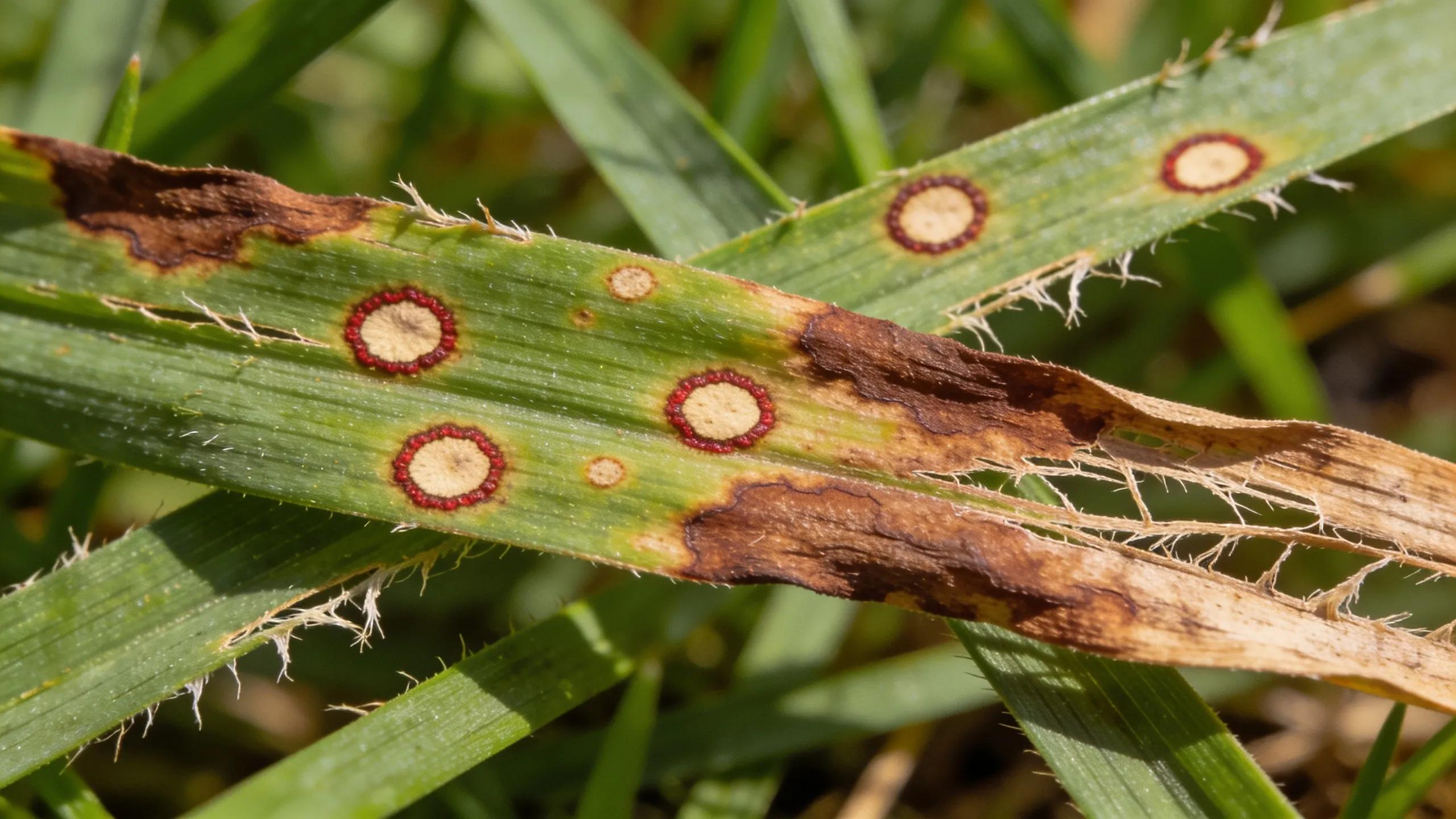
Brown patch, dollar spot, and rust are common in New Jersey and can significantly affect turf quality if left untreated. Look for discolored or bleached patches, wilting, or abnormal growth patterns such as thinning or premature leaf drop. Effective response depends on correct identification through regular scouting, corrective cultural changes like adjusting watering schedules and mowing practices, and targeted fungicide applications when warranted. Early detection and intervention are critical to limiting outbreaks and preventing spread. Maintaining proper lawn nutrition and reducing thatch buildup also help reduce disease susceptibility.
How to Identify and Manage Typical Lawn Pests in NJ?
Grubs, chinch bugs, and armyworms cause distinct damage patterns: irregular dead patches, visible insects, or sudden defoliation. Grubs feed on roots, weakening turf and causing it to lift easily; chinch bugs suck sap, leading to yellowing and browning; armyworms rapidly consume grass blades, leaving bare spots. Manage them with targeted insecticides applied at optimal times, biological controls such as beneficial nematodes and predatory insects, and cultural practices that reduce pest habitat, including proper irrigation and mowing. Regular monitoring and early treatment prevent severe infestations and minimize chemical use.
What Pest Issues Does Pest Control Specifically Target?
Pest control focuses on organisms that harm lawns and make outdoor spaces less usable, including mosquitoes, ticks, foliar and root-feeding insects, and other nuisance pests. Proper pest control reduces vegetation damage and lowers public-health risks tied to pests, such as Lyme disease from ticks and West Nile virus from mosquitoes. Effective programs combine habitat modification, targeted treatments, and ongoing monitoring to keep pest populations below harmful levels while protecting beneficial insects and the environment. Pest control services are designed to be safe for families and pets while maintaining outdoor comfort and safety.
Which Lawn Diseases and Pests Are Most Common in Northern Central New Jersey?
Homeowners in the region commonly see several turf diseases and insect pests that can impact lawn quality and usability. Key disease and pest types include:
- Brown Patch: fungal disease creating circular brown areas that expand rapidly in warm, humid conditions.
- Dollar Spot: small, bleached circular spots that coalesce into larger patches, often appearing during dry weather.
- Rust: yellow or orange spores on grass blades that weaken turf and reduce photosynthesis.
Frequent insect pests include:
- Grubs: beetle larvae that feed on roots, causing turf to die and lift easily.
- Chinch Bugs: sap-sucking insects that cause browning and thinning of turf, especially in sunny areas.
- Armyworms: caterpillars that defoliate turf rapidly, often causing sudden and severe damage.
Early recognition lets homeowners take proactive steps and choose appropriate treatments to protect turf performance, reduce repair costs, and maintain aesthetic appeal throughout the growing season.
How Can Integrated Lawn Care and Pest Management Improve Your Property’s Health?
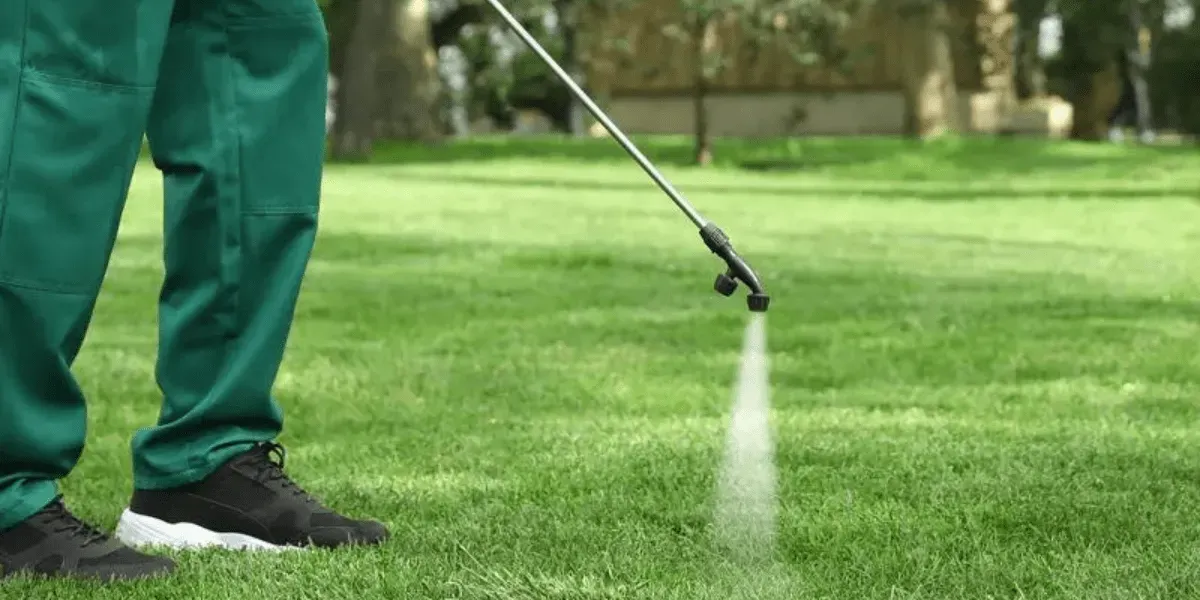
Coordinating preventive lawn care with targeted pest management produces a more resilient landscape by addressing multiple stress factors simultaneously. Combined programs lower infestation risk while promoting vigorous turf and plant health through balanced nutrition, proper maintenance, and timely pest suppression. This integrated approach reduces reliance on chemical treatments, supports beneficial organisms, and enhances environmental sustainability. Homeowners benefit from improved lawn density, color, and durability, resulting in increased property value and outdoor enjoyment.
Research supports integrated pest management (IPM) as an effective, often more economical alternative to calendar-based pesticide programs. IPM emphasizes monitoring pest populations, using thresholds to guide treatment decisions, and combining biological, cultural, and chemical controls to minimize environmental impact while maximizing efficacy.
What Are the Benefits of Combining Lawn Disease Treatment with Pest Control?
Combining disease treatment with pest control creates a comprehensive strategy that improves turf health and reduces future problems by addressing multiple threats simultaneously. Principal benefits include:
- Holistic Health Benefits: Addressing both issues keeps turf vibrant and better able to withstand environmental stresses such as drought and heat.
- Preventative Measures: Regular, targeted services can stop problems before they escalate, reducing the need for intensive interventions later.
- Cost-Effectiveness: Bundled programs often lower total cost versus isolated services by optimizing treatment schedules and reducing redundant visits.
Choosing combined services helps maintain consistent, healthier turf with less effort, providing a more attractive and functional outdoor space throughout the year.
How Do Seasonal Programs Support Sustainable Lawn and Pest Management?
Seasonal scheduling aligns treatments with turf growth and pest life cycles to maximize effectiveness and sustainability. Spring focuses on fertilization and weed control to support early growth and prevent weed establishment, while summer treatments target pest outbreaks and disease management during peak stress periods. Fall emphasizes disease prevention, root development, and winter readiness to ensure turf survives cold months and emerges healthy in spring. Timely interventions support long-term lawn health by reducing chemical inputs, enhancing natural resistance, and promoting balanced ecosystem function.
Why Choose Professional Lawn Care and Pest Control Services from Scape-Abilities?
Scape‑Abilities provides integrated expertise for Northern Central New Jersey properties, combining local knowledge with advanced techniques to deliver superior results. Their teams build customized programs that reflect site conditions, homeowner goals, and environmental considerations to improve outcomes. They use state-of-the-art equipment and environmentally responsible products to ensure treatments are safe, effective, and minimally disruptive. With a commitment to ongoing education and customer service, Scape‑Abilities helps clients achieve and maintain beautiful, healthy landscapes year-round.
What Qualifications and Certifications Does Scape-Abilities Hold?
Scape‑Abilities maintains various industry qualifications and certifications, including state licensing for pesticide application, credentials with the ALPD, and environmental stewardship certifications. They train technicians in current techniques and best practices to deliver quality lawn and pest services that comply with regulatory standards and industry guidelines. This commitment to professionalism ensures clients receive knowledgeable, reliable service tailored to their specific needs.
How Does Scape-Abilities Customize Services for NJ Homeowners and Property Managers?
Scape‑Abilities evaluates each property’s conditions through soil analysis, pest monitoring, and landscape assessment to design targeted plans that combine lawn care and pest control, optimizing treatment timing and efficacy for better results. They consider factors such as turf species, sun exposure, drainage, and pest history to develop integrated programs that address unique challenges. Maintaining healthy trees, shrubs, and beds is part of a complete landscape program, ensuring all elements contribute to overall property appeal and ecosystem balance. Proper care ensures they enhance property appeal and provide environmental benefits such as shade and habitat.
Regular servicing of sprinkler systems, landscape lighting, and gutters prevents costly repairs and preserves performance. Well-maintained irrigation systems promote efficient water use, reducing waste and supporting turf health. Regular maintenance keeps systems functioning optimally, extending their lifespan and ensuring consistent landscape quality.
For service details and contact information, review our website to explore program options, request consultations, and learn more about how Scape‑Abilities can help you achieve a vibrant, pest-free lawn.
Frequently Asked Questions
What is the best time of year to start lawn care and pest control services in New Jersey?
Early spring is the ideal time to begin as turf resumes growth; spring work focuses on fertilization and weed control and helps prevent pest outbreaks by strengthening turf before pests become active. Fall visits prepare turf for winter and reduce disease risk by promoting root development and applying preventive treatments. Starting services at these key times ensures maximum benefit and supports a healthy lawn throughout the year.
How can I tell if my lawn needs pest control or just lawn care?
Inspect symptoms carefully: irregular dead patches, visible insects, or signs of animal foraging indicate pests; thin, uniformly weak turf without insect signs usually points to cultural needs like fertilization, aeration, or improved irrigation. Regular checks and monitoring help distinguish between pest-related damage and nutrient or maintenance deficiencies, enabling accurate diagnosis and appropriate treatment.
Are there environmentally friendly options for lawn care and pest control?
Yes. Organic fertilizers, biological controls such as beneficial insects and nematodes, and plant-based repellents reduce environmental impact while maintaining effectiveness. Scape‑Abilities offers eco-friendly program options that prioritize sustainability, minimize chemical use, and support soil and ecosystem health, making them ideal for environmentally conscious homeowners.
How often should I schedule lawn care and pest control treatments?
Frequency depends on turf type, site conditions, and pest pressure. Typical lawn care visits occur every 4–6 weeks during the growing season to maintain optimal nutrition and health; pest control may require additional monitoring and treatments during peak activity periods such as summer for mosquitoes and ticks. A professional assessment sets a site-specific plan that balances effectiveness with cost and environmental considerations.
What are the signs that my lawn is suffering from a pest infestation?
Look for irregular dead or wilting areas, visible insect activity such as grubs or chinch bugs, unusual discoloration, or increased bird and wildlife foraging (which can indicate grub presence). Other signs include thinning turf, sudden bare spots, and chewed grass blades. Early detection enables timely treatment, preventing extensive damage and costly repairs.
Can I perform lawn care and pest control myself, or should I hire a professional?
Homeowners can handle routine tasks such as mowing, watering, and basic fertilization, but professionals offer diagnostic expertise, specialized equipment, and local pest knowledge that improve treatment accuracy and effectiveness. For persistent problems, complex pest issues, or larger properties, hiring a pro is often more effective long-term, saving time, reducing chemical use, and ensuring healthier, more resilient lawns.
Conclusion
Understanding the difference between lawn care and pest control helps you choose the right approach for your property’s unique needs. Combining both services yields healthier, more resilient turf by addressing growth, nutrition, disease, and pest challenges comprehensively. Scape‑Abilities offers tailored, integrated programs designed to meet property needs and improve lawn performance through expert assessment, customized treatments, and ongoing support—contact them to learn more about how they can help you achieve a vibrant, pest-free landscape that enhances your home’s beauty and value.