Essential Plant Care Tips for Homeowners
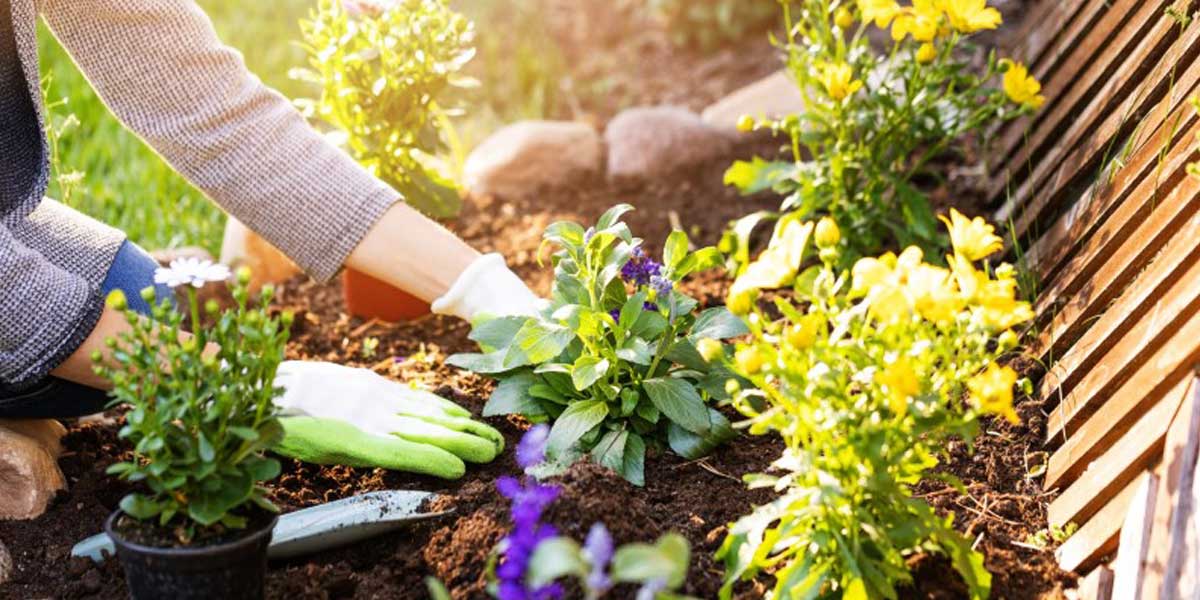
Understanding the fundamental aspects of plant care is crucial for maintaining a vibrant and healthy garden. Homeowners should focus on key practices such as proper watering, soil health, and appropriate sunlight exposure. These elements are essential for nurturing plants and ensuring they thrive throughout the seasons.
For instance, overwatering is a common mistake that can lead to root rot, while insufficient sunlight can stunt growth. Regularly checking soil moisture and adjusting watering schedules according to the weather can significantly enhance plant health. Additionally, enriching the soil with organic matter can improve nutrient availability, leading to robust plant growth.
Choosing the Right Plants for Your Landscape
Selecting the appropriate plants for your garden is vital for creating a sustainable and aesthetically pleasing landscape. Factors such as climate, soil type, and sunlight conditions should guide your choices to ensure that plants can thrive in their environment.
For example, native plants are often well-suited to local conditions and require less maintenance than non-native species. Incorporating a mix of perennials and annuals can provide year-round interest while supporting local wildlife. Consulting with a landscaping professional can help homeowners make informed decisions about plant selection tailored to their specific landscape needs.
Common Pests and How to Manage Them
Managing pests is an integral part of maintaining a healthy garden. Homeowners should be aware of common pests that can affect their plants and learn effective management strategies to mitigate damage. Identifying pests early can prevent infestations and protect plant health.
For example, aphids and spider mites are frequent culprits in gardens, and their presence can be managed with natural remedies such as neem oil or insecticidal soap. Regular monitoring and implementing integrated pest management (IPM) practices can help keep pest populations in check while minimizing the use of chemical pesticides.
Seasonal Gardening Checklist
Creating a seasonal gardening checklist can help homeowners stay organized and ensure they complete essential tasks throughout the year. This proactive approach allows for timely planting, pruning, and maintenance activities that contribute to a thriving garden.
For instance, spring is the ideal time for planting new flowers and vegetables, while fall is the perfect season for preparing the garden for winter. Including tasks such as mulching, fertilizing, and pest inspections in your checklist can enhance the overall health and appearance of your landscape, making it easier to enjoy throughout the seasons.