
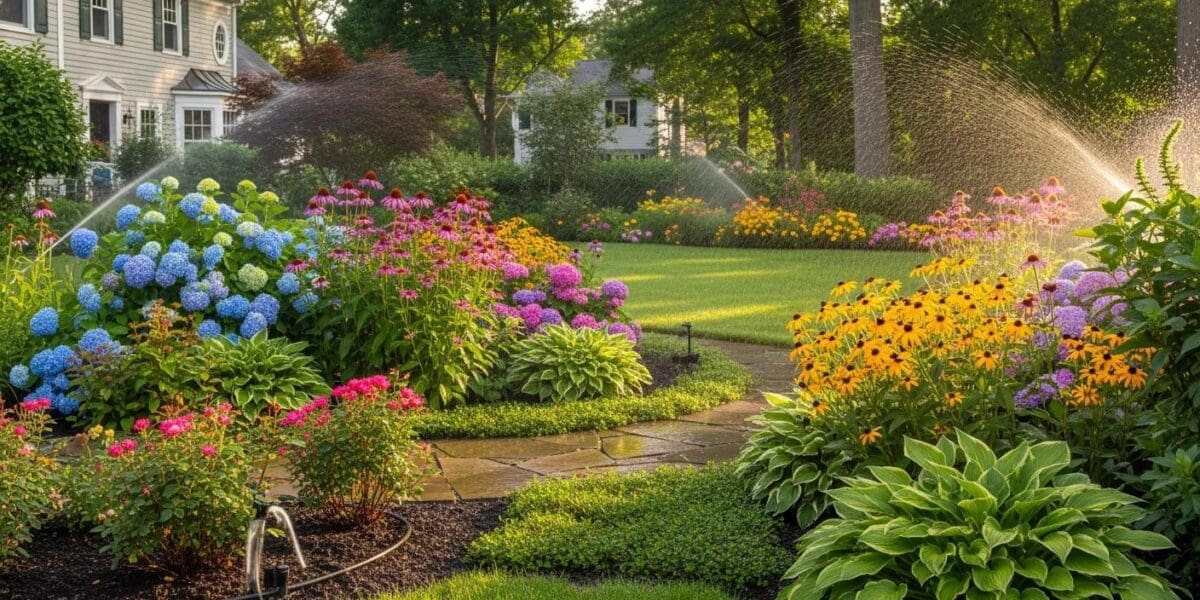
Irrigation Systems vs Manual Watering in NJ: Which Landscape Watering Solution Is Better?
Choosing the right watering method matters for plant health, water conservation, and maintenance. In Central New Jersey, homeowners should compare automatic irrigation and manual watering on efficiency, cost, installation needs, and environmental impact.
What Are the Key Benefits of Automatic Irrigation Systems in Central New Jersey?
Automatic systems give reliable, repeatable irrigation that reduces over- and under-watering and supports steady landscape performance.
- Water Efficiency: Programmed schedules reduce evaporation and runoff by watering at optimal times.
- Cost Savings: Reduced water waste can lower utility bills and offset installation over time.
- Maintenance Advantages: Modern systems often include smart controls for remote monitoring and simpler adjustments.
Scape-Abilities, a Central New Jersey landscaping provider, installs and maintains sprinkler systems to help homeowners capture these benefits.
How Do Sprinkler Systems Improve Water Efficiency Compared to Manual Watering?
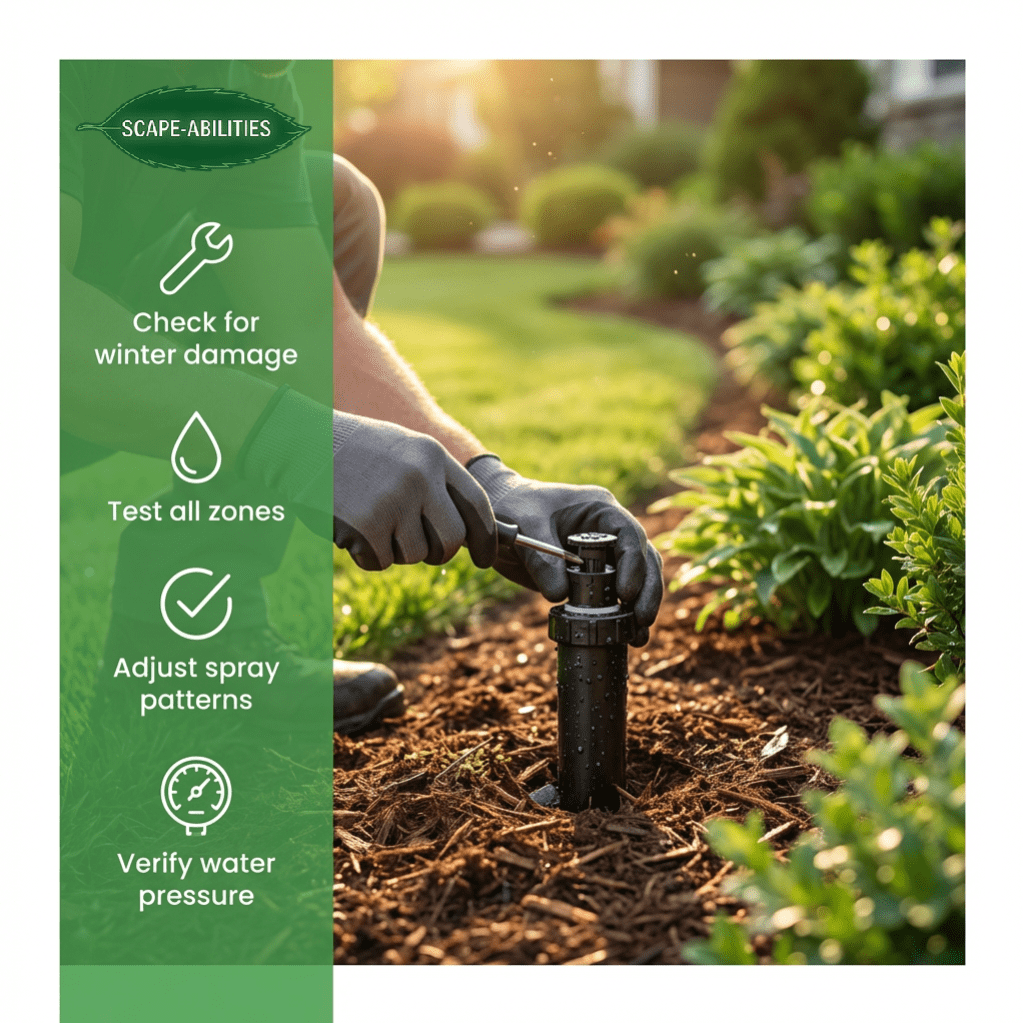
Sprinkler systems deliver more uniform coverage than ad hoc manual watering, reducing volumetric losses and dry spots.
- Consistent Coverage: Adjustable heads and zoning ensure even application.
- Time Savings: Automation frees time for other landscaping tasks.
- Smart Technology Integration: Sensors and weather-based controllers further limit unnecessary irrigation.
What Landscape Health Advantages Do Automated Irrigation Systems Provide?
Stable soil moisture from automated systems reduces plant stress and disease risk, supporting healthier growth and better blooms.
- Efficient Water Usage: Precise schedules avoid overwatering.
- Consistent Coverage: Prevents dry patches that stress plants.
- Healthier Landscapes: Optimal moisture supports robust plant development.
How Do Installation Costs and Considerations Affect Irrigation System Choices in NJ?
Upfront costs depend on property size, zones, and features. Evaluate budget against likely water savings and landscape value.
- Installation Costs: Basic systems can start near $2,000; more advanced systems cost more depending on complexity.
- Long-Term Savings: Lower water bills and healthier plants can produce savings over several years.
- Professional Installation Benefits: Pros ensure correct design, pressure management, and longer system life.
What Is the Typical Cost Range for Irrigation System Installation in Northern Central New Jersey?
Costs vary with the irrigated area and specifications. Basic installs often start around $2,000; complex systems can exceed $5,000. Get multiple local quotes to compare.
- Cost Ranges: Zone count, head types, and extras like timers or sensors affect the final price.
- Factors Affecting Costs: Landscape layout, soil, and existing infrastructure also influence cost.
How Does Professional Installation Ensure System Efficiency and Longevity?
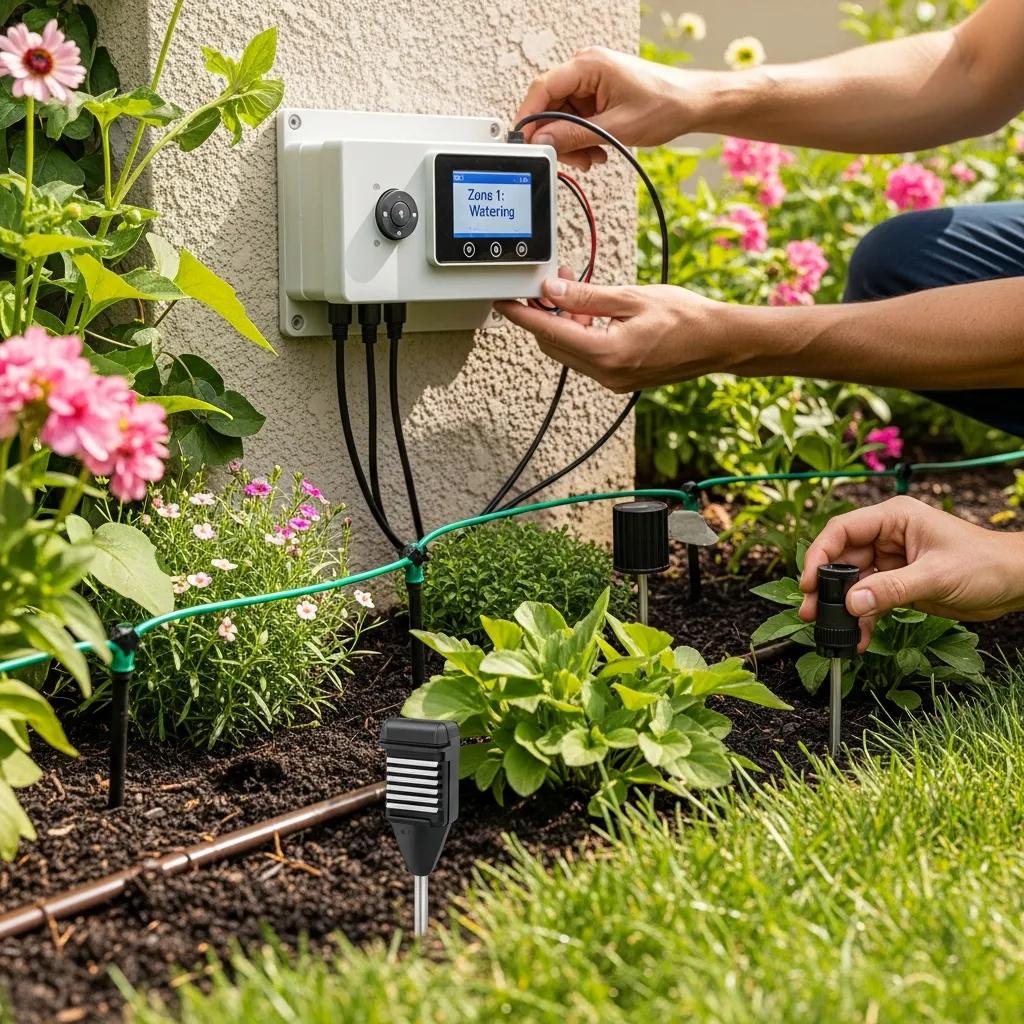
Experienced installers optimize coverage, reduce leak points, and apply industry standards during commissioning to extend service life.
- Expertise and Design: Proper design balances coverage and water use.
- Maintenance and Longevity: Correct installation lowers repair frequency.
- Environmental Considerations: Professionals know local rules and conservation best practices.
What Are the Water Conservation and Environmental Impacts of Irrigation Systems Versus Manual Watering?
When configured well, automated systems reduce overall water use relative to manual methods and limit runoff that harms waterways.
- Water Conservation: Timed watering reduces evaporation losses.
- Environmental Benefits: Less waste supports ecosystems and can preserve property aesthetics.
How Do Automated Irrigation Systems Contribute to NJ Water Saving Regulations?
Programmable controllers and conservation controls help homeowners comply with local watering restrictions and adapt schedules to conditions.
- Compliance with Regulations: Systems can be set to meet local watering rules.
- Water Usage Optimization: Smart adjustments based on rainfall and soil moisture improve conservation.
What Are the Environmental Benefits of Using Smart Irrigation Technologies?
Smart irrigation reduces unnecessary application and runoff, supporting sustainable landscaping.
- Water Conservation: Controllers and sensors fine-tune irrigation.
- Reduced Pollution: Less runoff lowers pollutant transport to waterways.
- Sustainable Practices: Encourages more efficient gardening behaviors.
Research demonstrates that smart irrigation technologies reduce water consumption while maintaining acceptable landscape quality.
Smart Irrigation Technologies for Residential Water Savings
Reducing the volume of water applied by residential irrigation systems without adversely affecting turfgrass quality presents a technical challenge. Several technologies aim to reduce irrigation water use, including rain sensors, soil moisture sensor (SMS) controllers, and evapotranspiration (ET) based controllers. A study in Cary, North Carolina evaluated the performance of two smart systems by measuring irrigation volumes and turf quality in residential settings.
Evaluation of two smart irrigation technologies in Cary,
North Carolina, GL Miller, 2010
What Are the Maintenance Requirements and Best Practices for Irrigation Systems Compared to Manual Watering?
Routine inspections preserve efficiency and prevent common failures; a seasonal check plus minor monthly reviews during the irrigation season is a practical routine.
- Maintenance Frequency: Inspect at least once per season; do minor monthly checks when active.
- Best Practices: Adjust schedules seasonally and after heavy rain; manual watering demands more constant attention.
How Often Should Sprinkler Systems Be Maintained for Optimal Performance?
Perform a full inspection each season and address leaks, nozzle alignment, and filter cleaning promptly.
- Maintenance Tasks: Check for leaks, adjust spray patterns, and clean filters.
- Frequency of Checks: Seasonal commissioning and monthly spot checks during warm months.
What Are the Limitations and Labor Considerations of Manual Watering?
Manual watering works for small areas but is time-consuming, often uneven, and impractical for larger properties.
- Time-Consuming: Significant labor for large yards.
- Inconsistent Coverage: Hard to achieve uniform moisture by hand.
- Labor Considerations: Many homeowners prefer automation to reduce ongoing labor.
For comprehensive lawn care services , consult professionals for tailored solutions. Maintaining healthy trees and shrubs supports landscape balance. Effective pest control services protect plants from damage. Regular sprinkler maintenance prevents avoidable repairs. For more information on our services, visit Scape-Abilities today.
Frequently Asked Questions
Q- What factors should I consider when choosing between irrigation systems and manual watering?
A- Consider landscape size, budget, available time, plant water needs, local rules, and maintenance capacity. Automation typically suits larger properties and those seeking consistent watering and lower labor.
Q- How can I ensure my irrigation system is environmentally friendly?
A- Use smart controllers, moisture sensors, and targeted methods (drip for beds). Seasonal adjustments and regular checks minimise waste.
Q- What are the common issues that can arise with irrigation systems?
A- Leaks, clogged nozzles, and uneven coverage are common. Regular inspections and prompt repairs limit water loss and protect plant health.
Q- Can I install an irrigation system myself, or should I hire a professional?
A- Basic DIY installs are possible, but professional design and commissioning improve zone layout, pressure management, and long-term reliability.
Q- What are the seasonal considerations for maintaining an irrigation system?
A- Commission in spring, monitor and adjust in summer, and winterise in fall to prevent freeze damage and extend equipment life.
Q- How do I know if my plants are receiving adequate water from my irrigation system?
A- Watch plants for wilting or yellowing and use a soil moisture meter to verify root-zone moisture; then adjust runtimes or zones as needed.
Q- What are the benefits of integrating rainwater harvesting with irrigation systems?
A- Rainwater reduces municipal demand and costs, lowers runoff and erosion, and can benefit plants by avoiding some tap-water treatments.
Conclusion
Automated irrigation generally offers consistent moisture, time savings, and improved water management that can justify installation costs for many New Jersey properties. Evaluate your site and consult qualified professionals to choose and configure the right system.