
Lawn Fertilization Myths Debunked: Essential Truths for New Jersey Homeowners
Good lawn care depends on accurate fertilization practices. This article clears up common myths and gives New Jersey homeowners concise, practical guidance on effective techniques, regional factors, and recommended practices for Central New Jersey so lawns stay healthy and resilient.
Common Misconceptions
Misunderstandings about fertilization can harm turf and the environment. Below are frequent myths and why they matter.
- More Fertilizer Equals Better Results: Excess fertilizer often burns turf, wastes money, and causes nutrient runoff that harms water quality.
- Soil Testing Is Unnecessary: Skipping soil tests leads to guesswork. Tests identify nutrient imbalances and pH so you can choose the right products.
- All Grasses Require the Same Care: Grass species have different seasonal needs, cool- and warm-season grasses require tailored timing and products.
Effective Techniques
Proven methods improve uptake and long-term turf quality. Key practices for NJ properties are below.
- Seasonal Fertilization Strategies: Apply when grass actively grows, early spring and fall for cool-season varieties, summer for warm-season.
- Importance of Aeration and Overseeding: Aeration relieves compaction so nutrients reach roots; overseeding increases density and disease resistance.
- Proper Watering Practices: Water deeply but infrequently. Avoid overwatering after application to reduce leaching.
Scape-Abilities, serving Central New Jersey, offers lawn care and fertilization services to implement these practices effectively.
Regional Considerations
New Jersey’s soils and weather affect fertilizer choice and timing. Consider local factors before applying products.
- Soil pH Adjustments: pH influences nutrient availability; testing guides amendment selection.
- Climate Challenges: Seasonal temperature and rainfall patterns determine scheduling and product choice.
- Deer Pressure Management: Protect newly seeded or fertilized areas from deer to preserve investment.
Emphasising soil pH is important because pH directly influences nutrient availability and the effectiveness of nutrient management.
Understanding Soil pH for Effective Lawn Fertilization
Soil pH measures a soil’s acidity or alkalinity. Acidity affects nutrient availability, soil microbial activity, and the performance of certain herbicides. For established lawns, large-scale pH correction is often impractical, but knowing soil pH is necessary to select appropriate plants and fertilizers.
Lawn and Garden Soil Test Interpretations and Fertilizer Recommendation Guide, M Nathan
What Are the Most Common Lawn Fertilization Myths in New Jersey?
Common local myths include “all fertilizers are the same” and “organic is always better.” Understanding product types and site needs helps homeowners choose appropriately.
Which Fertilization Mistakes Should Homeowners Avoid?
Avoid ignoring product labels, fertilizing in extreme weather, or over-applying. These errors reduce effectiveness and can damage turf or pollute runoff.
How Do These Myths Impact Lawn Health and Maintenance?
Following incorrect advice leads to thin turf, more weeds and pests, and greater environmental risk. Accurate information and correct techniques keep lawns resilient.
What Are the Best Fertilization Methods for Central New Jersey Lawns?
Effective options for NJ lawns include slow-release, organic, and judiciously used synthetic fertilizers; choose based on soil tests and environmental priorities.
- Slow-Release Fertilizers: Provide steady nutrients, lower leaching risk, and support consistent growth.
- Organic Fertilizers: Improve soil structure and microbial activity for long-term health.
- Synthetic Fertilizers: Deliver quick nutrients when immediate correction is required; use carefully to limit impacts.
Match the method to the lawn’s needs, soil data, and environmental goals for best results.
How Do Organic and Synthetic Fertilizers Compare for NJ Lawns?
Organic materials (compost, manure) build soil structure and biology, while synthetics supply immediately available nutrients. Choose based on urgency, soil health goals, and runoff risk.
Further research emphasises the environmental advantages of organic lawn management, particularly with respect to urban water quality.
Organic vs. Inorganic Fertilizers: Impact on Urban Water Quality
The findings underline the importance of topsoil preservation in urban planning and development with respect to runoff and water quality, and they demonstrate benefits of organic lawn management practices compared with conventional inorganic methods for maintaining urban water quality.
Water, sediment, and nutrient runoff from urban lawns established on disturbed subsoil or topsoil and managed with inorganic or organic fertilizers, Z Cheng, 2014
What Soil and Climate Factors Influence Fertilization Choices?
Soil texture, drainage, pH and local climate determine the most effective strategies. Use soil tests and weather awareness to refine timing and product selection.
When Is the Optimal Lawn Fertilization Schedule for New Jersey Homeowners?
A typical schedule for many New Jersey lawns focuses on early spring, late spring, and fall applications, adjusted to grass type and seasonal conditions.
- Early Spring: Apply a balanced fertilizer to kickstart growth.
- Late Spring: Use a nitrogen-rich product to support vigorous growth.
- Fall: A final application helps the lawn store nutrients for winter.
How Does Seasonal Timing Affect Fertilizer Effectiveness?
Timing affects uptake; application outside growth windows wastes product and can increase environmental harm. Schedule feeds for active growth periods.
Research indicates that mistimed applications or incorrect nutrient formulations can produce significant negative consequences.
Avoiding Inefficient & Harmful Lawn Fertilization
Fertilization at the wrong time or with the wrong nutrients is economically inefficient and can lead to environmental problems.
Fertilization of native warm‐season grasses, 2000
What Are Recommended Application Frequencies for NJ Lawns?
- Cool-Season Grasses: Fertilize 2-4 times per year, focusing on early spring and fall.
- Warm-Season Grasses: Fertilize 3-5 times during the growing season, primarily in summer.
How Does Integrated Lawn Care Enhance Fertilization Results in NJ?
Integrated lawn care is a holistic approach that combines several environmentally friendly practices to enhance the overall health and appearance of lawns, ultimately leading to improved fertilization results, especially in New Jersey’s unique climate. By integrating techniques such as proper soil testing, the application of organic fertilizers, and encouraging biodiversity, homeowners can ensure that their lawns receive tailored nourishment. This comprehensive strategy allows for a deeper understanding of the soil composition and existing nutrient levels, which are crucial for effective fertilization. For instance, soil tests can identify deficiencies in essential nutrients like nitrogen, phosphorus, and potassium, enabling lawn care professionals to devise a fertilization plan that meets the specific needs of the grass and soil. Pair fertilization with aeration, overseeding, and pest management to boost uptake and long-term turf quality. A combined approach reduces repeat corrections and strengthens resilience.
What Is the Role of Pest Control and Irrigation in Fertilization?
Pest control and irrigation play vital roles in the fertilization process, significantly influencing the health and yield of crops. Pest control involves the management of insects, rodents, and other pests that threaten agricultural produce. By using various methods, ranging from chemical pesticides to organic solutions, farmers can protect their crops from damage. Effective pest control not only enhances the potential for successful fertilization by ensuring that pollinators, such as bees, can operate without obstruction, but it also prevents the degradation of soil quality which can occur due to pest infestations. Healthy crops are more resilient and capable of utilizing nutrients efficiently, making pest management an integral part of sustainable agriculture. Effective pest control and correct irrigation ensure nutrients reach roots and that pests do not negate fertilizer benefits.
How Does Scape-Abilities Customize Integrated Lawn Care Plans?
Scape-Abilities tailors plans to soil health, grass species, and site conditions to improve fertilization outcomes and overall turf vitality. For best results, consider professional lawn care services and review trees and shrubs care to complement lawn work.
Frequently Asked Questions
Q- What are the signs that my lawn needs fertilization?
A- Yellowing turf, slow growth, thin or bare patches, and heavy weed pressure indicate nutrient shortfalls. Soil testing pinpoints specific deficiencies.
Q- How can I determine the right type of fertilizer for my lawn?
A- Base product choice on soil-test results and grass type. Use organics to build soil; use synthetics for quick correction. Follow label directions for rates and timing.
Q- What is the best way to apply fertilizer to my lawn?
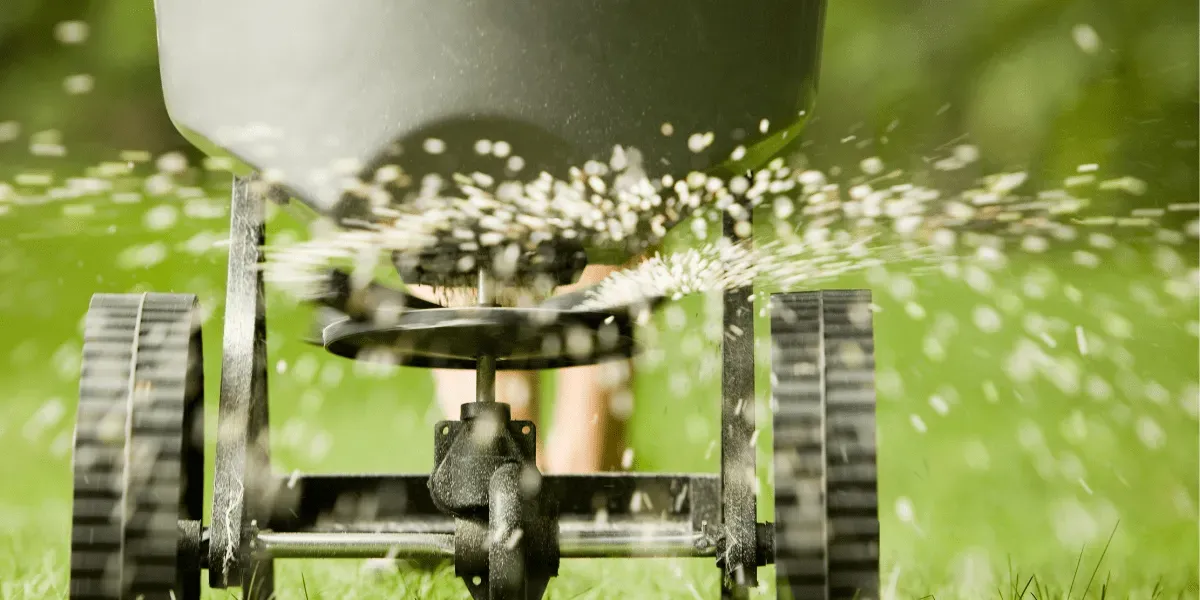
A- Use a calibrated spreader for even coverage, apply to dry turf to prevent clumping, and irrigate lightly after application to move nutrients into the root zone as instructed by the manufacturer.
Q- Can I fertilize my lawn during drought conditions?
A- Avoid fertilizing drought-stressed turf. Wait for sufficient moisture or use a slow-release product to reduce stress and runoff risk.
Q- How does lawn aeration affect fertilization?
A- Aeration reduces compaction so water, air and nutrients penetrate roots more effectively. Aerate before fertilizing when possible.
Q- What environmental considerations should I keep in mind when fertilizing?
A- Prevent nutrient runoff by avoiding applications before heavy rain, following recommended rates, and considering organic options to protect local waterways.
Q- How often should I test my soil for nutrient levels?
A- Test every two to three years or when lawn health changes. Soil analysis guides targeted, economical fertilization.
Conclusion
Understanding fertilization facts helps New Jersey homeowners make informed choices that improve turf health and reduce environmental impact. Adopt the recommended practices, adjust for regional conditions, and consult professionals for tailored programs.