
Residential Irrigation System Benefits for New Jersey Homeowners: Comprehensive Guide to Automated Lawn Watering and Cost Savings
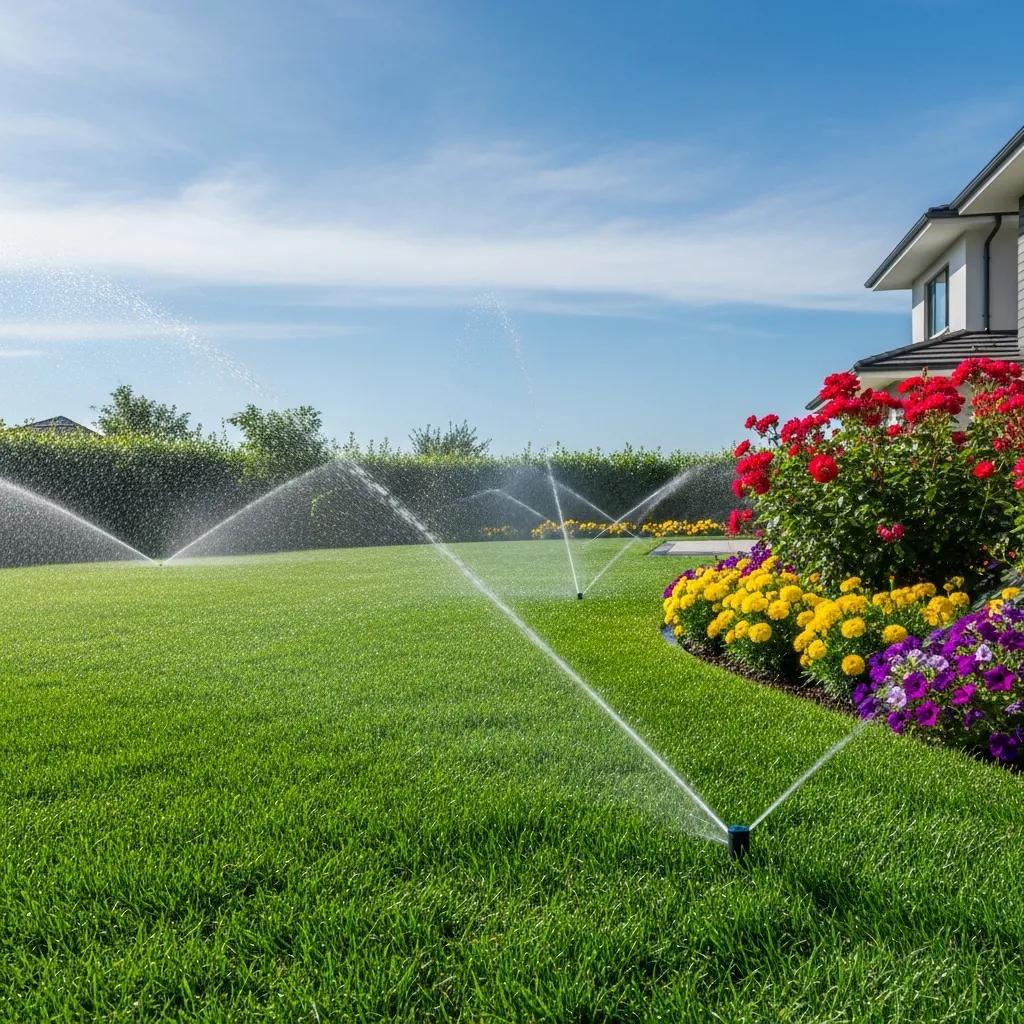
Residential irrigation systems offer a multitude of benefits for homeowners in New Jersey, particularly in maintaining lush, healthy lawns and gardens. This comprehensive guide will explore the advantages of automated lawn watering systems, focusing on how they save time, promote plant health, and contribute to water conservation. Many homeowners struggle with the challenges of manual watering, which can be time-consuming and inefficient. By implementing a residential irrigation system, homeowners can enjoy a more convenient and effective solution to their watering needs. This article will cover the key benefits of these systems, their role in water conservation, typical costs, and why Scape-Abilities is a reputable choice for installation and maintenance.
What Are the Key Benefits of Residential Irrigation Systems in New Jersey?
Residential irrigation systems provide several key benefits that enhance the overall health and appearance of lawns and gardens. These systems automate the watering process, ensuring that plants receive the right amount of water at the right time, which is crucial for their growth and vitality.
How Do Automated Irrigation Systems Save Time and Effort for Homeowners?
Automated irrigation systems significantly reduce the time and effort required for lawn maintenance. Homeowners can set schedules for watering, allowing the system to operate independently. This means no more dragging hoses or manually adjusting sprinklers. With features like programmable timers and smart controllers, homeowners can ensure their lawns are watered efficiently, even when they are away from home. This automation not only saves time but also allows for more consistent watering, which is essential for maintaining healthy plants.
In What Ways Do Irrigation Systems Promote Healthier Lawns and Plants?
Irrigation systems contribute to healthier lawns and plants by providing consistent moisture levels. This consistency helps prevent issues such as overwatering or underwatering, which can lead to stress and disease in plants. Additionally, many systems are designed to deliver water directly to the root zone, ensuring that plants receive the moisture they need. Studies have shown that lawns with irrigation systems tend to be greener and more resilient, especially during dry spells.
How Does a Residential Irrigation System Contribute to Water Conservation in New Jersey?
What Water-Saving Features Do Smart Irrigation Controllers Offer?
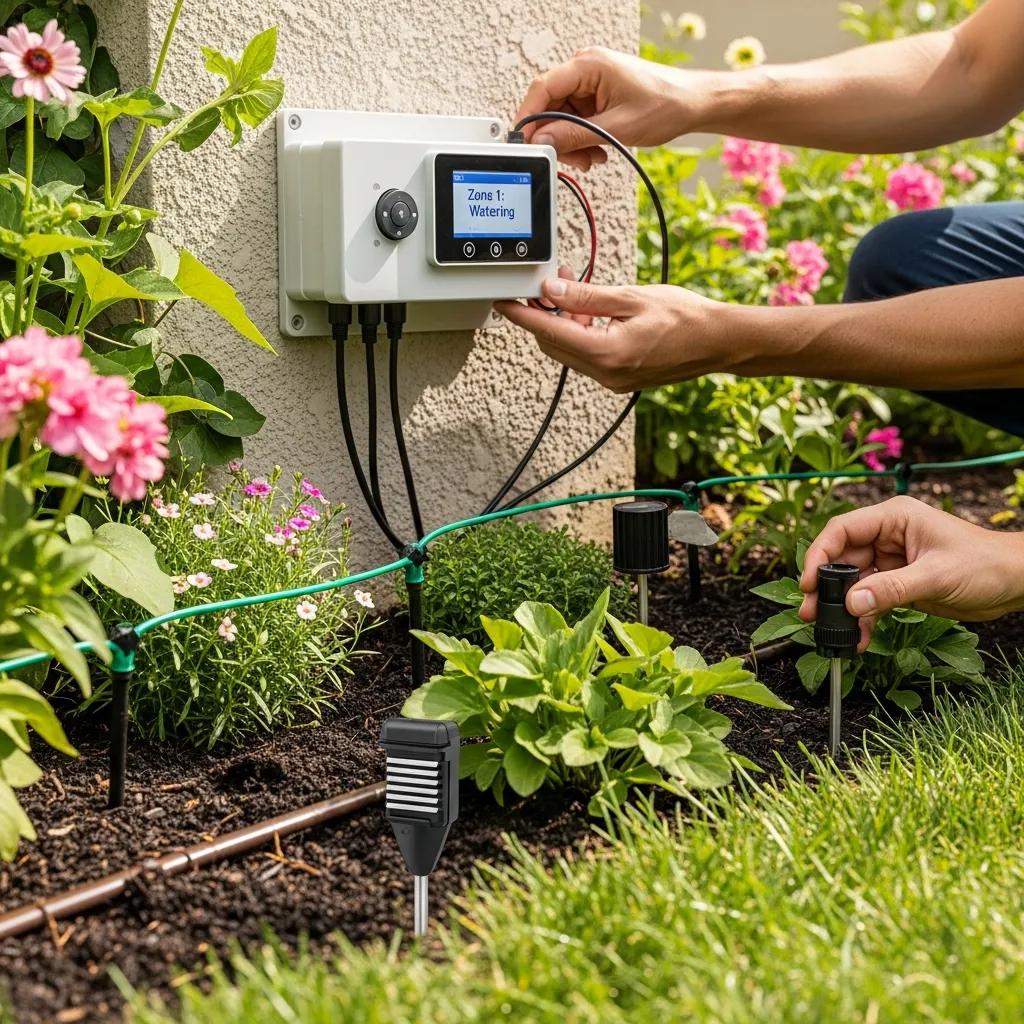
Smart irrigation controllers are equipped with advanced technology that allows them to adjust watering schedules based on real-time weather data. These controllers can utilize weather forecasts and soil moisture levels to determine the optimal amount of water needed, reducing unnecessary watering. By using such technology, homeowners can significantly decrease their water usage while still maintaining healthy landscapes.
Research further supports the effectiveness of these advanced systems in promoting water conservation.
Landscape Smart Irrigation Controllers: Water Savings & Implementation
In the past ten years, smart irrigation controllers have been developed by a number of manufacturers and have been promoted by water purveyors in an attempt to reduce excessive irrigation. Legislation has been introduced in California and Texas and passed in Florida mandating or incentivizing the use of these controllers. A number of controlled research studies using formal experimental design and statistical analyses indicate substantial water savings of anywhere from 40% to more than 70% when using these devices; however, real-world savings in larger pilot-scale projects indicate savings of typically less than 10%. Water conservation potential of landscape irrigation smart controllers, MD Dukes, 2012
How Does Efficient Watering Impact Local Environmental Sustainability?
Efficient watering practices contribute to local environmental sustainability by reducing water waste and promoting deep root systems in plants. Implementing deep but infrequent watering schedules, particularly in the early morning, minimizes evaporation and conserves water resources. This approach, combined with sustainable practices like using drought-resistant plant varieties, supports broader environmental health and reduces pollution in waterways.
What Are the Typical Costs and Financial Benefits of Installing an Irrigation System in New Jersey?
What Factors Influence the Installation Cost of Residential Irrigation Systems in NJ?
Several factors influence the installation cost of residential irrigation systems in New Jersey, including the size of the property, the type of system chosen, and the complexity of the installation. Larger properties may require more extensive systems with additional zones, which can increase costs. Additionally, opting for advanced features such as smart controllers or drip irrigation systems can also affect the overall price.
How Can Irrigation Systems Reduce Water Bills and Provide Return on Investment?
Investing in a residential irrigation system can lead to significant savings on water bills over time. By using water more efficiently, homeowners can reduce their overall consumption, leading to lower utility costs. Furthermore, well-maintained landscapes can enhance property value, providing a solid return on investment. Many homeowners find that the initial costs of installation are recouped over time through these savings.
How Do Smart Home Irrigation Systems Enhance Lawn Care for New Jersey Homeowners?
What Are the Advantages of Wi-Fi Enabled and Weather-Sensing Controllers?
Wi-Fi enabled and weather-sensing controllers allow homeowners to manage their irrigation systems remotely via smartphone apps. This technology provides real-time updates and control, enabling users to adjust watering schedules from anywhere. Additionally, weather-sensing features ensure that watering is automatically adjusted based on rainfall and temperature, further optimizing water usage.
How Does Remote Management Improve Irrigation Efficiency and Convenience?
Remote management of irrigation systems enhances efficiency by allowing homeowners to monitor and adjust their systems without being physically present. This capability is particularly beneficial for those with busy schedules or frequent travel. By ensuring that watering is tailored to current conditions, homeowners can maintain healthy landscapes while conserving water.
Why Choose Scape-Abilities for Residential Irrigation Installation and Maintenance in New Jersey?
What Local Expertise and Professional Accreditations Does Scape-Abilities Offer?
Scape-Abilities offers a wealth of local expertise and professional accreditations, including:
-
Trained and Certified Staff: The team includes a Landscape Architect, Designers, Project Managers, and Horticulturalists.
-
Professional Accreditations:
-Association of Professional Landscape Designers (APLD)
-NJ Department of Environmental Protection pesticide license
-Licensed Irrigation Contractor
-Certified Home Improvement Contractor
-Accredited with Rutgers continuing education for landscape professionals
Does Scape-Abilities Coordinate Irrigation with Other Landscape Services?
Scape-Abilities coordinates irrigation installation with other landscape services, providing comprehensive care for outdoor spaces. This integrated approach ensures that all aspects of landscape maintenance work together harmoniously, enhancing the overall aesthetic and health of the property.
What Are Common Questions New Jersey Homeowners Have About Residential Irrigation Systems?
How Often Should I Maintain or Winterize My Sprinkler System in New Jersey?
Regular maintenance is essential for the longevity of sprinkler systems. Homeowners should schedule maintenance at least once a year, with winterization being particularly important in New Jersey to prevent damage from freezing temperatures. This process typically involves draining the system and blowing out the lines to remove any remaining water.
Is Drip Irrigation a Suitable Option for My New Jersey Landscape?
Drip irrigation is an excellent option for many New Jersey landscapes, particularly for gardens and flower beds. This method delivers water directly to the roots of plants, minimizing evaporation and runoff. It is especially beneficial for water-sensitive plants and can significantly reduce overall water usage.
Frequently Asked Questions
How much does a residential irrigation system cost to install in New Jersey?
Installation costs vary based on property size, system type, and the number of zones needed. Larger properties or systems with advanced features like smart controllers or drip irrigation typically cost more, while the investment is often offset over time through reduced water bills and increased property value.
When should I have my sprinkler system winterized?
New Jersey homeowners should winterize their sprinkler systems each fall before the first hard freeze, typically in late October or November. Winterization involves draining the system and blowing out the lines to prevent freeze damage, and it should be paired with an annual spring startup and maintenance check.
Can a smart irrigation controller really reduce my water usage?
Yes. Smart controllers adjust watering schedules using real-time weather data and soil moisture levels, which helps avoid unnecessary watering. Research on these systems has shown meaningful water savings, though actual results vary depending on the property and how the system is used.
Is drip irrigation better than a traditional sprinkler system?
It depends on what is being watered. Drip irrigation is ideal for garden beds, flower beds, and other water-sensitive plantings because it delivers water directly to the root zone with minimal evaporation, while sprinkler systems remain the more efficient choice for watering lawns.
Does Scape-Abilities handle both installation and ongoing maintenance of irrigation systems?
Yes. Scape-Abilities’ trained and certified staff, including licensed irrigation contractors, handle irrigation installation as well as ongoing maintenance and coordinate it with other landscape services for comprehensive property care.
Conclusion
Residential irrigation systems provide New Jersey homeowners with a practical, efficient way to maintain healthy, attractive landscapes while saving time and conserving water. From programmable timers and smart, weather-sensing controllers to targeted drip irrigation for garden beds, these systems address the common challenges of manual watering and support long-term savings on water bills and property value. With proper installation, regular maintenance, and seasonal winterization, a well-designed irrigation system can keep a lawn and landscape thriving throughout the year. Homeowners considering an upgrade can turn to a trusted, certified provider like Scape-Abilities to ensure their system is installed correctly and maintained for lasting performance.