
What to Expect From Professional Lawn Care Services
Professional lawn care provides organized, seasonal programs to preserve turf health and appearance. Providers deliver routine maintenance, scheduled cultural practices, and targeted treatments that address technical needs beyond routine DIY work. This guide outlines common services, fertilization and pest-control basics, and how to select a lawn care company in Central New Jersey.
What Services Are Included in Professional Lawn Care Packages?
Packages are tailored to species, site conditions, and lawn health. Core services usually include routine mowing and edging, seasonal cultural work such as aeration and overseeding, and programmatic treatments for fertilization, weeds, and pests delivered on an agreed schedule.
Scape-Abilities, a professional landscaping company serving Northern Central New Jersey, specialises in comprehensive lawn care services including mowing, fertilization, aeration, weed control, and pest management.
Lawn Fertilization and Weed Control Explained

Fertilization supplies nitrogen, phosphorus, and potassium to support growth, colour, and stress tolerance, improving roots and stand density. Weed control combines selective herbicides and mechanical removal to reduce competition. Timing and product choice — for example slow‑release nitrogen in spring or a pre‑emergent before weed germination — determine effectiveness.
Integrated Pest Management and Aeration Benefits
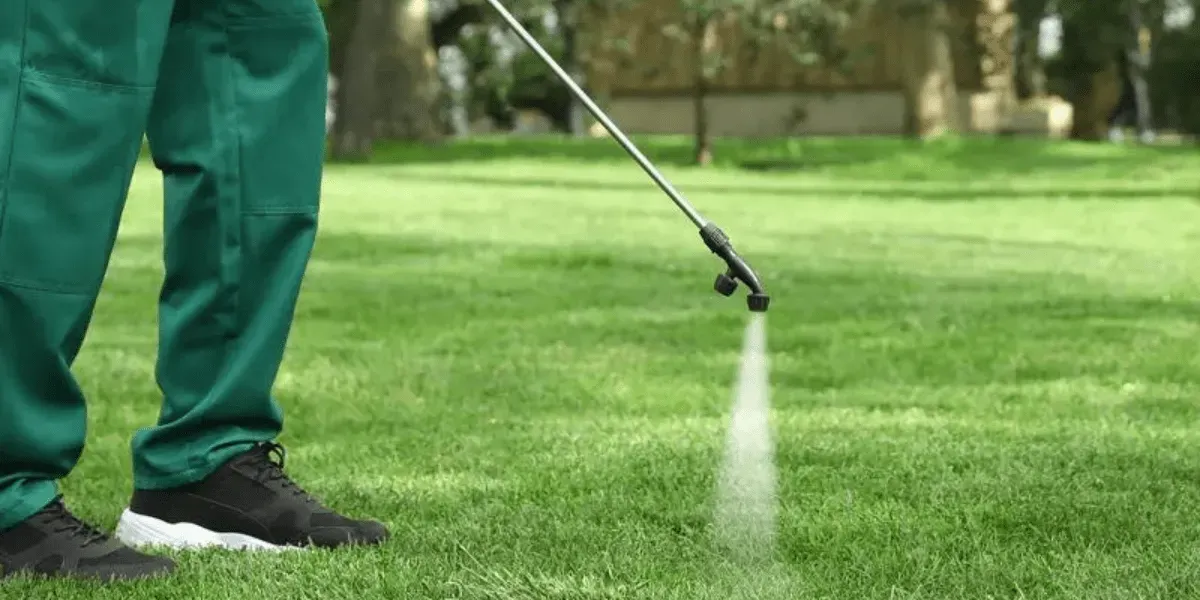
Integrated Pest Management (IPM) emphasises prevention, monitoring, and threshold‑based actions to control pests while reducing environmental impact. IPM combines cultural, biological, and chemical approaches as needed. Aeration relieves compaction and improves water, air, and nutrient movement into the root zone, supporting stronger roots.
Research supports the efficacy of IPM when compared with traditional calendar‑based pesticide programs.
Professional Lawn Care: IPM vs. Standard Programs
We conducted a 2-year study to compare biological (weed, insect, and disease), aesthetic (lawn quality), and economic (lawn care program cost) attributes of an integrated pest management (IPM) program, in which pesticides are applied on the basis of treatment thresholds, with a standard program, in which pesticides are applied on a calendar basis without pest monitoring. Both programs were managed by a professional lawn care operator.
Implementing integrated pest management in professional lawn care: a case study, 2010
Aeration improves soil structure, root proliferation, and tolerance to drought and disease. Combined with IPM, it supports a more resilient turf that typically needs fewer corrective treatments.
Further studies examine the relative effectiveness and cost implications of professional, consumer, IPM, and organic lawn management programs.
Evaluating Professional & IPM Lawn Management Programs
We evaluated aesthetic (lawn quality), biological (weeds and insect pests), and economic (management costs) effectiveness of acommercial(managed by a professional company), consumer(managed using consumer lawn care products following labeled instructions), integrated pest management(IPM) (pesticide applications based on monitoring and thresholds),organic(monitoring and need-based organic and natural product applications), and an untreated lawn care program.
Comparative evaluation of aesthetic, biological, and economic effectiveness of different lawn management programs, DS Richmond, 2009
How Often Should Professional Lawn Care Be Scheduled for Optimal Results?
Frequency depends on turf species, site conditions, and planned treatments. A bi‑weekly visit during active growth is a common baseline; providers adjust cadence for seasonality and specific interventions.
Cool‑season grasses typically need more attention in spring and fall; warm‑season grasses often require focused summer care. Providers tailor schedules to local weather and grass type.
Seasonal Lawn Maintenance Calendar for Central New Jersey
A seasonal plan schedules fertilization, cultural practices, pest monitoring, and corrective work to match local climate cycles and maintain year‑round quality.
Academic research highlights seasonal patterns in maintenance activities and the importance of aligning services with customer preferences for optimal delivery.
- Spring: Fertilization, aeration, and weed control as growth resumes.
- Summer: Regular mowing, watering, and pest monitoring to protect during heat.
- Fall: Aeration and overseeding to prepare for winter and improve spring recovery.
- Winter: Minimal activity; planning and monitoring as needed.
Frequency Recommendations Based on Lawn Type and Condition
Service intervals vary: cool‑season lawns often need spring and fall work; warm‑season lawns demand summer support. Soil, moisture, and pest pressure drive customised schedules determined by regular assessments.
What Are the Typical Costs and Service Packages for Lawn Care?
Costs reflect service scope and property size. Basic maintenance is lower cost; comprehensive programs that include fertilization, aeration, and IPM are higher due to added labour and materials.
Evaluate cost by expected outcomes and long‑term value: professional programs can reduce pests, increase turf density, and protect property value.
Transparent Pricing Models for Lawn Treatment Services
Many providers itemize treatments or offer tiered packages so clients can compare services and budgets. Regular assessments and consultations clarify necessary treatments and projected results.
Comparing Service Plans Offered by Lawn Maintenance Companies
Compare scope, visit frequency, treatment methods, documentation, and guarantees. Verify that providers follow industry best practices and check reviews for reliability and performance.
How to Choose the Right Lawn Care Company Near Me in New Jersey?
Choose a provider with clear services, demonstrated experience, and recommendations based on diagnostics. Ensure their program aligns with your maintenance goals and values.
- Services Offered: Confirm they provide the treatments you need.
- Experience and Reputation: Look for proven results and positive feedback.
- Sustainability Practices: Prefer firms that use environmentally responsible methods where possible.
Evaluating Expertise, Certifications, and Local Knowledge
Confirm technicians have relevant training and certifications. Local knowledge helps tailor programs to Northern Central New Jersey soils and climate for more precise interventions.
Customer Reviews and Service Guarantees from Trusted Providers
Use verified reviews to judge responsiveness and outcomes. Reputable companies often offer guarantees or corrective policies to address performance issues. Beyond turf, assess tree, shrub, and bed care as part of an integrated landscape plan. Proper care of these elements supports a cohesive, healthy landscape.
Frequently Asked Questions
Q- What should I look for in a lawn care contract?
A- Ensure the contract lists services, visit frequency, pricing, guarantees, cancellation terms, and any extra charges; a written satisfaction or service guarantee is valuable.
Q- How can I prepare my lawn for professional care?
A- Clear debris and provide equipment access. Note any issues (pests, bare patches) for the technician and keep pets and children away during visits.
Q- Are organic lawn care options available?
A- Yes. Many firms offer organic programs using natural fertilizers, biological controls, and cultural practices; discuss expected outcomes with your provider.
Q- What are the signs that my lawn needs professional care?
A- Signs include uneven growth, discoloration, heavy weeds, persistent pests, bare spots, compaction, or drainage problems, issues that exceed routine maintenance.
Q- How do seasonal changes affect lawn care needs?
A- Seasonal shifts change priorities: spring for fertilization, summer for mowing and pest checks, fall for overseeding and aeration, and winter for planning and inspections.
Q- Can lawn care services help with landscaping beyond grass maintenance?
A- Yes. Many providers offer tree and shrub care, bed management, and hardscape maintenance as part of integrated landscape services.
Q- What should I do if I’m not satisfied with the lawn care service?
A- Contact the provider with specific concerns and examples; reputable companies will investigate and offer corrective measures under their policy or guarantee. If unresolved, review contract terms and consider alternatives.
Conclusion
Professional lawn care offers structured, evidence‑based practices that improve turf health and reduce maintenance burden. Choose a reputable, locally knowledgeable provider whose services and guarantees align with your goals to protect landscape value and promote sustainable stewardship.